Showing posts with label Animals. Show all posts
Sunday, February 19, 2012
Well, They're Gone
Two of the horses we thought would be with us all their lives left in a two horse trailer this afternoon, heading back to Alvin with their new owner. This will be a new chapter in their lives and, hopefully, it will be the beginning of happy times and new adventures for them. The man who bought them has a lot of kids, including two teenage boys. Yeoldfurt and I hope each of the boys will strike up a bond with one of these two horses. If that happens, the lives of those boys and these horses will be mutually enriched.
The trailer they left in was a fancy rig but has seen better days. The floor was good and solid though and the latches are secure. We don't haul that often and ours is an open aluminum stock trailer. This is a two horse straight load and I wasn't sure if the horses would be balky. But they loaded right up when asked, they made me proud. Maybe it was the fresh hay I put in the mangers for them, but I like to think it was their quality upbringing.
We sent them off with a 50-pound bag of feed so that if the new owner has a different type of feed, he can introduce it gradually. We gave him their bridles and bits too. They are good leather headstalls, double-stitched and well-oiled, and they are already adjusted to fit these horses. We have a surplus of tack anyway and want the transition for Lucy and Lyric to be as smooth as possible. Hopefully, a few little familiar things from home will facilitate that.
The two horses that remain will have 8-1/2 acres to themselves. We expect them to be anxious and calling for their missing herdmates for a few days. It's always unsettling to a horse when members of the herd come or go. But by next weekend, they will have settled into the notion that they are the herd now ...just the two of them. The good rains we've had these past six or eight weeks have caused the grass that was so stressed by last summer's heat and lack of moisture to try and come back. With only two horses on it now instead of four, it will recover more quickly. If the rain patterns continue through the spring and we have at least minimal rain this summer, maybe hay prices will come back down too. With only two horses on the feed/vet/hay/farrier bill now, maybe our finances might have a chance to recover too. One can hope.
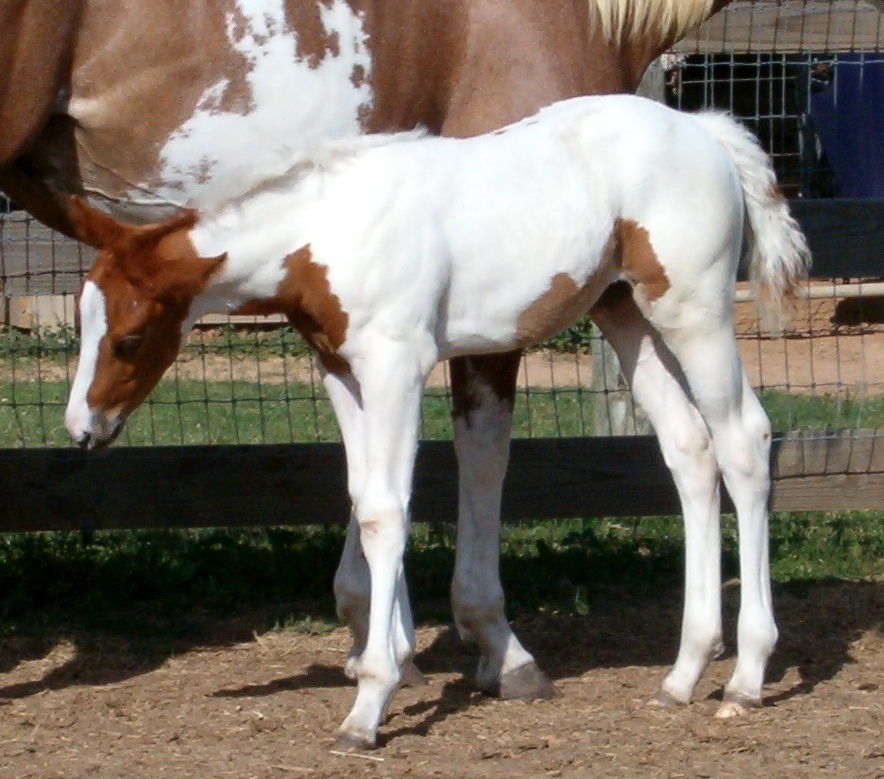
I took one last picture as they pulled out of the driveway. I wish them and their new owners all the best. Sometimes we have to let go of things we love in order to do right by them.
Saturday, February 4, 2012
Yup, 'Interesting' is One Way to Describe this Past Week...
Like Yeoldfurt said in his post earlier today, it's been an 'interesting' week. It seems like everything around here either needs fixing or replacing these days. The vehicles have been taking turns breaking down for three months now. We've had to put money into every single one of them, each time from $200 to $1500. They're just old vehicles and mechanical things have a tendency to wear out. I broke that tooth a couple of weeks ago and get to spend $95 to have it pulled next Thursday (a good bit cheaper than what the dentist wanted to do) and today I got to spend $15.00 on a new mailbox and hardware because some hooligans trashed our old one night before last. Makes me wonder what next week has in store for us.
My venture at Yesteryear's pays for itself but not much more than that. In the three months I've had the booth space, my net after expenses is a little over $100. Not exactly a revenue stream, but I am purging a few things and turning them into cash. My primary goal in setting up the booth space was to purge, so technically it's a success. But I was hoping it would generate just a wee bit more cash than what it has so far. I could really use an infusion of cash right now. I'll give it a full year ...or until the first month I actually have to pay the booth rental ($35/month) out of my pocket instead of my sales ...and see if it's worth continuing.
Looking around for what else I can sell, I couldn't help but take another look at the horses. We have the two that we ride and we have the 23 year old who is our grandkid horse. Those are 'forever horses.' That only leaves the six year old, Lyric. The one I was going to saddle break last year and it just didn't happen. Well, technically, she's broke to saddle and will take a bit and bridle very nicely. I've just never climbed up on her back. Every time I think I'm going to, my wiser self reminds me of how well I wouldn't bounce if I hit the ground these days. It's been about 12 years since I had a 'horse wreck' and I was lucky that time ...nothing broken, just some cracked ribs and a hairline fracture of my pelvis. The way things have gone for us in general the last couple of years, I think my luck may have run out.
So, I listed Lyric on Craigslist today.
She was a pretty little thing as baby and she's grown up to be a really nice mare. I'm asking $600 and hoping I find someone half my age who has a bit more disposable income than I do ...most importantly, someone who will love her and appreciate her. She deserves more than I can give her at the moment.
This is my first ever attempt at selling something on Craigslist. The price is right (free) ...I just hope she sells. If I can get $600 for her, the money will go to stock up on hay for the three we will still be feeding. Sounds like a lot of money, doesn't it? We used to get 1000-pound round bales for $70/each ...delivered. Now we can only find scrawny little 500-pound bales for $135/each including delivery. So converted to round bales at today's prices, $600 is only about 4 weeks worth of hay for the three horses we'll still be feeding. Lord, I hope the good rains we've had for two months now continue through the summer so our local hay producers can get up and running again!
My venture at Yesteryear's pays for itself but not much more than that. In the three months I've had the booth space, my net after expenses is a little over $100. Not exactly a revenue stream, but I am purging a few things and turning them into cash. My primary goal in setting up the booth space was to purge, so technically it's a success. But I was hoping it would generate just a wee bit more cash than what it has so far. I could really use an infusion of cash right now. I'll give it a full year ...or until the first month I actually have to pay the booth rental ($35/month) out of my pocket instead of my sales ...and see if it's worth continuing.
Looking around for what else I can sell, I couldn't help but take another look at the horses. We have the two that we ride and we have the 23 year old who is our grandkid horse. Those are 'forever horses.' That only leaves the six year old, Lyric. The one I was going to saddle break last year and it just didn't happen. Well, technically, she's broke to saddle and will take a bit and bridle very nicely. I've just never climbed up on her back. Every time I think I'm going to, my wiser self reminds me of how well I wouldn't bounce if I hit the ground these days. It's been about 12 years since I had a 'horse wreck' and I was lucky that time ...nothing broken, just some cracked ribs and a hairline fracture of my pelvis. The way things have gone for us in general the last couple of years, I think my luck may have run out.
So, I listed Lyric on Craigslist today.
She was a pretty little thing as baby and she's grown up to be a really nice mare. I'm asking $600 and hoping I find someone half my age who has a bit more disposable income than I do ...most importantly, someone who will love her and appreciate her. She deserves more than I can give her at the moment.
This is my first ever attempt at selling something on Craigslist. The price is right (free) ...I just hope she sells. If I can get $600 for her, the money will go to stock up on hay for the three we will still be feeding. Sounds like a lot of money, doesn't it? We used to get 1000-pound round bales for $70/each ...delivered. Now we can only find scrawny little 500-pound bales for $135/each including delivery. So converted to round bales at today's prices, $600 is only about 4 weeks worth of hay for the three horses we'll still be feeding. Lord, I hope the good rains we've had for two months now continue through the summer so our local hay producers can get up and running again!
Saturday, January 21, 2012
Dora's Very Bad Day
You remember Dora, don't you? She's one of the three hens from our first year of keeping chickens. She and Reba and Red literally rule the roost around here ...never letting the three newbies we added last spring forget who is in charge. Well, she had a rather traumatic day last week when a Red Tailed Hawk tried to make her his dinner.
I happened to be home and just happened to look out the back window in time to see the hawk pin her to the ground and to witness her desperate struggle to get free. I was about thirty yards away but slammed the door behind me as I came out of the house, hoping to startle the hawk and scare him away. I yelled and waved my arms as I came out and the hawk finally let go of Dora and took off when I was about halfway down the hill to them.
Feathers were everywhere, it looked like someone busted open a feather pillow in the middle of the yard. Dora was lying where the hawk left her, limp and not moving. Her eyes were closed and I thought she was gone. But when I touched her, she opened her eye a little and made a weak attempt at a cackle. I picked her up and just cradled her for a minute, trying to let her know she was okay now. Her little chicken heart was just a fluttering. I carried her to the little brood coop and set her on top so I could check her over. She couldn't even stand, she was so weak, but I felt her all over and found no puncture wounds at all.
This is the last thing she might have seen or the last thing her feathered friends might have seen before the attack. A bird of prey zeroing in on it's target is an awesome and beautiful sight ...unless you're the prey.
Poor Dora was just scared to death. I'm sure she saw her little chicken life flash before her eyes when she was underneath that big hawk.
Satisfied that she was not physically wounded, I carried her with me and searched the coop and the yard for the other five chickens. I finally found them hiding underneath some equipment in the awning next to the shop. Thinking they were all okay, I left the dog in the chicken yard to make sure the hawk didn't bother them and took Dora into the house. Our dog is a Boxer and that's not your typical livestock guardian breed, but she's an exceptionally good dog and she's been around the chickens since they were just pullets and she was just a pup. She would never hurt them. If she ever tangled with a hawk, she might be hurt but so might the hawk and I was hoping the hawk would be smart enough to know that.
I fixed Dora a temporary nest in my laundry basket with newspaper lining the bottom. She still wasn't able to stand, but she seemed more alert and 'talked' if I got out of sight from her. She seemed to want me to stay with her so I carried the basket with me as I worked around the house for the next hour or so. By then, she was starting to stand and though still a little unsteady on her feet, I felt she might be better off down in the coop. I popped a bag of popcorn before I carried her down there ...a treat for her and bait to help me get the other five out of the awning and back into the coop.
When I carried her back down the hill, I set her in one of the nest boxes Yeoldfurt built last summer, thinking she would feel safer in close quarters. I gave her a handful of the popcorn and she went right after it, so I was pretty confident she would make a full recovery in time.
Coaxing the other five hens out of their hiding place in the awning and back into safety of the coop proved to be a bit of a challenge. We originally only had three hens but we bought some new chicks last spring to enlarge the flock and as replacements for when the original three hens were gone. The older hens tolerated the newcomers but just barely. Before the hawk attack that day, you never would have seen the older hens mingling with the younger hens. Though they all share the coop at night, the three older hens would be on the roost and the three younger hens would be wherever they could find a spot. But there was definite segregation going on in there. So to find them all huddled feather to feather, beak to beak in a two-foot square space told me they were traumatized as well. Dora was the one that was attacked, but they witnessed the attack and they were traumatized.
Microwave popcorn is a real treat though and the familiar sound of me shaking a bag was too much for them to resist. I stood at the doorway of the awning shaking the open bag of popcorn and four little heads popped up from behind their refuge. I tossed a handful at my feet and started backing up the hill toward the coop.
Chickens are highly motivated by food and they're also highly competitive about food. All it took was for one of them to make a move toward the scattered popcorn and the others wouldn't be able to resist making a charge themselves. As soon as they were in sight of me, I tossed another handful and they ran toward me ...now halfway to the coop and real safety. I wasn't counting heads at this time. I was just intent on getting them to the coop. Once inside, I scattered several handfuls of the popcorn for them and started counting. I came up one short so I counted again. Still one short. One of the younger reds was missing. Dora was still in the nest box and seemed okay so I locked them in the coop and went back down to the awning. I looked high and low but found nothing. Then I walked the yard, checking every clump of grass, every nook and cranny that could possibly conceal a hen.
I was just about convinced the hawk had made off with the missing hen and that Dora was perhaps the second course that day when I decided to check the awning one more time. There is some lumber stacked vertically in the very back corner and it's right next to the metal piece that the other hens were hiding under so I decided to move a couple of pieces and see if she might be hiding back there. Sure enough, when I moved the first piece, I heard a faint chicken gasp ...a kind of 'yikes, something's found me!' sound. I poked my head back there and shined the little pen light into the darkness and there she was ...wide-eyed and looking very ...well ...chicken!
I would have thought when she saw it was me and not the hawk or some other scary unfamiliar face, she would have come willingly. But she was not willing at all. I had to move several pieces out of the way and make a grab to finally convince her to come out. It was very tight quarters back there and lousy footing, so I missed when I made the grab. She darted out into the open though and I went after her, thinking I could either herd her back to the coop or corner her and catch her. The riding lawnmower is parked smack dab in the middle of that awning though and she used it to her advantage several times to keep me from getting her out of the awning. She was determined not to go out in the daylight where something might swoop down on her like it had swooped down on Dora.
I was finally able to spook her out into the yard and once in the open, she made a beeline for the coop. Chickens are big on personality, not so big on brains ...but they do know where they're safe. Once they were all back in the coop, I topped off their food and water and went back to the house. Twenty minutes later, I looked out the back door and the hawk was back, sitting on a fence post directly across from the coop and not twenty feet from where he attacked Dora. As I watched him, another hawk flew in and settled on a branch a few feet above the fence post. A mated pair ...no wonder they were bold. They probably have a nest in the dense woods that border our property. I couldn't get close enough to get a picture of them together, but this is one of them sitting on the shed roof next to the chicken yard. I think the Red Tailed Hawk is a magnificent bird ...just not when it's trying to eat one of my chickens!
From now on, if the chickens are in the yard, they will have an MP with them ...Mutt Patrol ...Maggie, guardian of her domain. Hopefully, she'll never see action. I'm hoping her mere presence will be enough to deter the raptors.
I happened to be home and just happened to look out the back window in time to see the hawk pin her to the ground and to witness her desperate struggle to get free. I was about thirty yards away but slammed the door behind me as I came out of the house, hoping to startle the hawk and scare him away. I yelled and waved my arms as I came out and the hawk finally let go of Dora and took off when I was about halfway down the hill to them.
Feathers were everywhere, it looked like someone busted open a feather pillow in the middle of the yard. Dora was lying where the hawk left her, limp and not moving. Her eyes were closed and I thought she was gone. But when I touched her, she opened her eye a little and made a weak attempt at a cackle. I picked her up and just cradled her for a minute, trying to let her know she was okay now. Her little chicken heart was just a fluttering. I carried her to the little brood coop and set her on top so I could check her over. She couldn't even stand, she was so weak, but I felt her all over and found no puncture wounds at all.
This is the last thing she might have seen or the last thing her feathered friends might have seen before the attack. A bird of prey zeroing in on it's target is an awesome and beautiful sight ...unless you're the prey.
Poor Dora was just scared to death. I'm sure she saw her little chicken life flash before her eyes when she was underneath that big hawk.
Satisfied that she was not physically wounded, I carried her with me and searched the coop and the yard for the other five chickens. I finally found them hiding underneath some equipment in the awning next to the shop. Thinking they were all okay, I left the dog in the chicken yard to make sure the hawk didn't bother them and took Dora into the house. Our dog is a Boxer and that's not your typical livestock guardian breed, but she's an exceptionally good dog and she's been around the chickens since they were just pullets and she was just a pup. She would never hurt them. If she ever tangled with a hawk, she might be hurt but so might the hawk and I was hoping the hawk would be smart enough to know that.
I fixed Dora a temporary nest in my laundry basket with newspaper lining the bottom. She still wasn't able to stand, but she seemed more alert and 'talked' if I got out of sight from her. She seemed to want me to stay with her so I carried the basket with me as I worked around the house for the next hour or so. By then, she was starting to stand and though still a little unsteady on her feet, I felt she might be better off down in the coop. I popped a bag of popcorn before I carried her down there ...a treat for her and bait to help me get the other five out of the awning and back into the coop.
When I carried her back down the hill, I set her in one of the nest boxes Yeoldfurt built last summer, thinking she would feel safer in close quarters. I gave her a handful of the popcorn and she went right after it, so I was pretty confident she would make a full recovery in time.
Coaxing the other five hens out of their hiding place in the awning and back into safety of the coop proved to be a bit of a challenge. We originally only had three hens but we bought some new chicks last spring to enlarge the flock and as replacements for when the original three hens were gone. The older hens tolerated the newcomers but just barely. Before the hawk attack that day, you never would have seen the older hens mingling with the younger hens. Though they all share the coop at night, the three older hens would be on the roost and the three younger hens would be wherever they could find a spot. But there was definite segregation going on in there. So to find them all huddled feather to feather, beak to beak in a two-foot square space told me they were traumatized as well. Dora was the one that was attacked, but they witnessed the attack and they were traumatized.
Microwave popcorn is a real treat though and the familiar sound of me shaking a bag was too much for them to resist. I stood at the doorway of the awning shaking the open bag of popcorn and four little heads popped up from behind their refuge. I tossed a handful at my feet and started backing up the hill toward the coop.
Chickens are highly motivated by food and they're also highly competitive about food. All it took was for one of them to make a move toward the scattered popcorn and the others wouldn't be able to resist making a charge themselves. As soon as they were in sight of me, I tossed another handful and they ran toward me ...now halfway to the coop and real safety. I wasn't counting heads at this time. I was just intent on getting them to the coop. Once inside, I scattered several handfuls of the popcorn for them and started counting. I came up one short so I counted again. Still one short. One of the younger reds was missing. Dora was still in the nest box and seemed okay so I locked them in the coop and went back down to the awning. I looked high and low but found nothing. Then I walked the yard, checking every clump of grass, every nook and cranny that could possibly conceal a hen.
I was just about convinced the hawk had made off with the missing hen and that Dora was perhaps the second course that day when I decided to check the awning one more time. There is some lumber stacked vertically in the very back corner and it's right next to the metal piece that the other hens were hiding under so I decided to move a couple of pieces and see if she might be hiding back there. Sure enough, when I moved the first piece, I heard a faint chicken gasp ...a kind of 'yikes, something's found me!' sound. I poked my head back there and shined the little pen light into the darkness and there she was ...wide-eyed and looking very ...well ...chicken!
I would have thought when she saw it was me and not the hawk or some other scary unfamiliar face, she would have come willingly. But she was not willing at all. I had to move several pieces out of the way and make a grab to finally convince her to come out. It was very tight quarters back there and lousy footing, so I missed when I made the grab. She darted out into the open though and I went after her, thinking I could either herd her back to the coop or corner her and catch her. The riding lawnmower is parked smack dab in the middle of that awning though and she used it to her advantage several times to keep me from getting her out of the awning. She was determined not to go out in the daylight where something might swoop down on her like it had swooped down on Dora.
I was finally able to spook her out into the yard and once in the open, she made a beeline for the coop. Chickens are big on personality, not so big on brains ...but they do know where they're safe. Once they were all back in the coop, I topped off their food and water and went back to the house. Twenty minutes later, I looked out the back door and the hawk was back, sitting on a fence post directly across from the coop and not twenty feet from where he attacked Dora. As I watched him, another hawk flew in and settled on a branch a few feet above the fence post. A mated pair ...no wonder they were bold. They probably have a nest in the dense woods that border our property. I couldn't get close enough to get a picture of them together, but this is one of them sitting on the shed roof next to the chicken yard. I think the Red Tailed Hawk is a magnificent bird ...just not when it's trying to eat one of my chickens!
From now on, if the chickens are in the yard, they will have an MP with them ...Mutt Patrol ...Maggie, guardian of her domain. Hopefully, she'll never see action. I'm hoping her mere presence will be enough to deter the raptors.
Sunday, September 25, 2011
For Me, It's Saddle Time
Most people have one thing that makes them relax and rejuvenates them from the daily stresses of life. For some, it's a place. For some it's an activity. For me, it's saddle time.
Horses are a lot of work to take care of every day, whether you ride or not. With the demands of a full time job and the chores that come with our homesteader lifestyle, finding time to just have fun can be a challenge. Most of the big chores have to be done on the weekend and somehow the To Do List always ends with more things than can be accomplished in one weekend. So you learn to prioritize. You learn to pick ONE THING that has to happen on any given weekend. When it's done, you do as many of the other things on the list as time allows. Having things still left on the list at the end of the weekend just means next weekend's list is already started.
Yeoldfurt works on Sundays, so that's generally my day for housework. Domestic drudgery like laundry and scrubbing floors. Those things that are hardly ever noticed ...unless they're not done. But I try to accomplish at least one non-housework project every Sunday too. Today it was riding. I had not been on my horse since the grandsons were here in July. It was too hot most of July and August and I have been out of town for two weekends in September already. But the mornings lately have been downright pleasant and the evenings are starting to get bearable. So I was up before the sun this morning and was saddled up as soon as it was light outside.
I was only in the saddle for an hour, only rode in the round pen and the front paddock, but it sure felt good. When we were done, I let my mare 'mow' the grass in the chicken yard for an hour before I turned her out with the others. There are four fruit trees that we keep watered in the chicken yard so it's the place we have any grass right now. My mare enjoyed it.
That hour I spent in the saddle must have done me good because I've accomplished everything I normally accomplish on Sundays and then some. The sheets are changed on the bed, the laundry is washed, dried, folded and put away, the bathrooms have been scrubbed and the rugs are washed and hanging outside to dry. I also made a batch of liquid laundry soap (four months worth) and raked the leaves in one of the four flower beds. The horse blankets we cleaned up last week are folded and bagged up to be stored until cold weather comes. Yeoldfurt's dinner is in the oven (slow roasted pork ribs) and I have five pints of homemade split pea soup processing on the stove. Yeoldfurt won't eat it, but I was cleaning out cupboards and found a pound of dried split peas I needed to use up. In pint jars, it's just enough for me for supper on a cold winter day with enough left over to take to work for lunch the next day.
So even though I took an hour to just play with my horse this morning, I got a lot accomplished today. Yup, for me, it's saddle time!
Horses are a lot of work to take care of every day, whether you ride or not. With the demands of a full time job and the chores that come with our homesteader lifestyle, finding time to just have fun can be a challenge. Most of the big chores have to be done on the weekend and somehow the To Do List always ends with more things than can be accomplished in one weekend. So you learn to prioritize. You learn to pick ONE THING that has to happen on any given weekend. When it's done, you do as many of the other things on the list as time allows. Having things still left on the list at the end of the weekend just means next weekend's list is already started.
Yeoldfurt works on Sundays, so that's generally my day for housework. Domestic drudgery like laundry and scrubbing floors. Those things that are hardly ever noticed ...unless they're not done. But I try to accomplish at least one non-housework project every Sunday too. Today it was riding. I had not been on my horse since the grandsons were here in July. It was too hot most of July and August and I have been out of town for two weekends in September already. But the mornings lately have been downright pleasant and the evenings are starting to get bearable. So I was up before the sun this morning and was saddled up as soon as it was light outside.
I was only in the saddle for an hour, only rode in the round pen and the front paddock, but it sure felt good. When we were done, I let my mare 'mow' the grass in the chicken yard for an hour before I turned her out with the others. There are four fruit trees that we keep watered in the chicken yard so it's the place we have any grass right now. My mare enjoyed it.
That hour I spent in the saddle must have done me good because I've accomplished everything I normally accomplish on Sundays and then some. The sheets are changed on the bed, the laundry is washed, dried, folded and put away, the bathrooms have been scrubbed and the rugs are washed and hanging outside to dry. I also made a batch of liquid laundry soap (four months worth) and raked the leaves in one of the four flower beds. The horse blankets we cleaned up last week are folded and bagged up to be stored until cold weather comes. Yeoldfurt's dinner is in the oven (slow roasted pork ribs) and I have five pints of homemade split pea soup processing on the stove. Yeoldfurt won't eat it, but I was cleaning out cupboards and found a pound of dried split peas I needed to use up. In pint jars, it's just enough for me for supper on a cold winter day with enough left over to take to work for lunch the next day.
So even though I took an hour to just play with my horse this morning, I got a lot accomplished today. Yup, for me, it's saddle time!
Thursday, September 1, 2011
Cute Little Devils, Aren't They?
At least two of the four new hens are beginning to lay eggs now. When a hen first starts to lay, her eggs are smaller than they eventually will be ...possibly nature's way of easing her into called purpose in life. As she matures, her eggs will gradually get larger until they are full-sized.
This is only our second batch of hens. We bought our first hens as day old chicks in 2009 and when they first started laying eggs, we had nothing except store-bought eggs to compare them to. So the size difference didn't seem that noticeable. One of those three hens lays HUGE eggs that will only comfortably fit into a Jumbo size egg carton. They will fit into a Large or Extra Large carton, but forget being able to close the lid. At least two of those three original hens are still laying, including Dora who lays the HUGE eggs. But production is way down, partly due to their age and partly due to this oppressive heat, I'm sure.
This spring, we bought some new chicks. Hens don't lay eggs forever and we figured we needed to start phasing in replacements for the older birds. We started out with five Barred Rock chicks, but lost three to chicken snakes. It was the Last Supper for all but one of those chicken snakes. The third one was sporting a couple of 22 caliber holes when it slithered away ...hopefully it didn't survive the trauma. A few weeks later, we found a guy down the road that was selling some two month old Production Reds and we brought two of those home as well. Now we have seven chickens in the coop. That's really more than we need for eggs for just the two of us. It's also possibly more than we want unless we pick up a couple more egg customers. We're not really (and don't want to be) officially in the egg business. But for now, the seven hens are producing three to four eggs per day.
Since the new hens are so young and have only been laying for a week or two, their eggs are still really small. I used a carton marked 'Grade A Large' because it was the biggest I happened to have on hand today. The HUGE eggs that Dora lays barely fit into a carton marked Jumbo. If I put what I refer to as our 'normal' eggs from our other two mature hens in a carton marked Extra Large, I can close the lid but it's tight. They will fit into a carton marked Large, but forget closing the lid. All this is for reference so you know what you're looking at here. I put six of the little bitty eggs in one side and six of the normal eggs on the other side. I laid two of the HUGE eggs and two more of the little bitty eggs on the open lid as a visual reference for size. Aren't the little bitty eggs cute?!
Sweet red bell peppers were on sale for 50 cents each at the grocery store last week so I bought six. We love bell peppers. Sometimes I stuff them and sometimes I slice them up to steam with kielbasa or grilled chicken tenders. I bought six peppers and made stuffed peppers that night. I make the filling with one pound of ground beef, one egg for binder, about 1/3 cup fine seasoned bread crumbs, some spices and a bit of tomato sauce. The one pound of ground beef is enough to generously stuff six halved bell peppers. I slice them the long way and Yeoldfurt eats two halves for his supper and takes two halves for his lunch the next day. I eat half a pepper for supper and take the other half for my lunch the next day. Normally when I make these, I use one of the normal sized eggs. That time, I used two of the little bitty eggs. I was curious to see the quality of the egg itself since it was so tiny. But they were excellent quality. The yolks were dark yellow and, if anything, disproportionately larger than the whites. The two little eggs were perfect to replace the one normal sized egg I usually used to make this recipe.
Tonight we're having a chef salad for dinner and I decided to make some deviled eggs to go with it. I usually use two of the HUGE eggs when I make deviled eggs but decided today to use the little bitty eggs.
This is only our second batch of hens. We bought our first hens as day old chicks in 2009 and when they first started laying eggs, we had nothing except store-bought eggs to compare them to. So the size difference didn't seem that noticeable. One of those three hens lays HUGE eggs that will only comfortably fit into a Jumbo size egg carton. They will fit into a Large or Extra Large carton, but forget being able to close the lid. At least two of those three original hens are still laying, including Dora who lays the HUGE eggs. But production is way down, partly due to their age and partly due to this oppressive heat, I'm sure.
This spring, we bought some new chicks. Hens don't lay eggs forever and we figured we needed to start phasing in replacements for the older birds. We started out with five Barred Rock chicks, but lost three to chicken snakes. It was the Last Supper for all but one of those chicken snakes. The third one was sporting a couple of 22 caliber holes when it slithered away ...hopefully it didn't survive the trauma. A few weeks later, we found a guy down the road that was selling some two month old Production Reds and we brought two of those home as well. Now we have seven chickens in the coop. That's really more than we need for eggs for just the two of us. It's also possibly more than we want unless we pick up a couple more egg customers. We're not really (and don't want to be) officially in the egg business. But for now, the seven hens are producing three to four eggs per day.
Since the new hens are so young and have only been laying for a week or two, their eggs are still really small. I used a carton marked 'Grade A Large' because it was the biggest I happened to have on hand today. The HUGE eggs that Dora lays barely fit into a carton marked Jumbo. If I put what I refer to as our 'normal' eggs from our other two mature hens in a carton marked Extra Large, I can close the lid but it's tight. They will fit into a carton marked Large, but forget closing the lid. All this is for reference so you know what you're looking at here. I put six of the little bitty eggs in one side and six of the normal eggs on the other side. I laid two of the HUGE eggs and two more of the little bitty eggs on the open lid as a visual reference for size. Aren't the little bitty eggs cute?!
Sweet red bell peppers were on sale for 50 cents each at the grocery store last week so I bought six. We love bell peppers. Sometimes I stuff them and sometimes I slice them up to steam with kielbasa or grilled chicken tenders. I bought six peppers and made stuffed peppers that night. I make the filling with one pound of ground beef, one egg for binder, about 1/3 cup fine seasoned bread crumbs, some spices and a bit of tomato sauce. The one pound of ground beef is enough to generously stuff six halved bell peppers. I slice them the long way and Yeoldfurt eats two halves for his supper and takes two halves for his lunch the next day. I eat half a pepper for supper and take the other half for my lunch the next day. Normally when I make these, I use one of the normal sized eggs. That time, I used two of the little bitty eggs. I was curious to see the quality of the egg itself since it was so tiny. But they were excellent quality. The yolks were dark yellow and, if anything, disproportionately larger than the whites. The two little eggs were perfect to replace the one normal sized egg I usually used to make this recipe.
Tonight we're having a chef salad for dinner and I decided to make some deviled eggs to go with it. I usually use two of the HUGE eggs when I make deviled eggs but decided today to use the little bitty eggs.
Now who would have thought you could fit a dozen deviled eggs on one 6-inch dessert plate? Tell me these aren't the cutest 'little devils' you've ever seen!
Monday, July 4, 2011
Few Things ...
...can dishevel a house quicker or more thoroughly than two grandsons descending for a whirlwind weekend visit. They were only here three days and two nights but the only room that looks good this morning is the room they slept in because ...GOOD BOYS that they are, they made their beds and picked up their room every morning before wandering out to the kitchen for breakfast. They rode the horses several times, made a serious dent in Yeoldfurt's stash of 22 cartridges, and ate just about everything that wasn't nailed down. If we are able to arrange for a week long visit in the future, I can see we're going to have to stock up a lot more than we did for this short visit!
The oldest is a natural with a rifle, nailing almost every target he went after. He has outgrown the Cricket 22 we bought a couple of years ago and was shooting my singleshot bolt action that I inherited from my dad. That rifle has been through three generations so far and is now in the hands of the fourth.
The youngest is eager to learn and will be as good as his brother with a little practice. Both boys are right-handed but left-eye dominant. The oldest has figured this out and shoots left-handed to give himself a better aim through the sights. The youngest still insists he has to shoot right-handed which means he throws his head way to the right trying to get his left eye lined up with the sights. He'll figure it out and when he does, he'll be a crack shot like his brother.
And this is how I found the boys every morning. Worn out from the activities the day before, resting up for whatever the new day would bring. Short visit, but good times.
The oldest is a natural with a rifle, nailing almost every target he went after. He has outgrown the Cricket 22 we bought a couple of years ago and was shooting my singleshot bolt action that I inherited from my dad. That rifle has been through three generations so far and is now in the hands of the fourth.
The youngest is eager to learn and will be as good as his brother with a little practice. Both boys are right-handed but left-eye dominant. The oldest has figured this out and shoots left-handed to give himself a better aim through the sights. The youngest still insists he has to shoot right-handed which means he throws his head way to the right trying to get his left eye lined up with the sights. He'll figure it out and when he does, he'll be a crack shot like his brother.
The youngest is my can't-get-enough-saddle-time-cowboy right now. Even the triple digit temperatures didn't keep him from wanting to ride at least once every day. He's fearless regardless of the size of the horse he's on and I can see I'm going to have to watch what I let him see me do on the horses. We were riding separate horses the first evening and he saw me kick my feet out of the stirrups and jump off when I wanted to get down. He figured that's the way it's done so off he jumped. I turned around just in time to see him land on his feet and grin at me. He's barely three feet tall and the saddle he was sitting was five feet off the ground. He must have noticed the panicked look on my face and said, 'What?' Silly boy ...I'll have to watch what I do when he's looking.
The youngest is still lightweight enough for our kid-horse, Katie, to pack around. I am right there with him for moral support and to get the horse saddled up but Katie is the one teaching the youngun to ride. She has a bum knee now so we don't let anyone over 50 pounds on her back. Katie is in hog heaven with a kid on her back. That horse would positively have her feelings hurt if kids are around she didn't get ridden and, believe me, there's nothing more pitiful than watching a 1000-pound horse pout! The oldest grandson and our grand niece both learned to ride on Katie and we still have the 9 month old granddaughter coming up through the ranks. But after all the grandkids are too heavy for her, we may have to borrow some pint-size neighbor kids to keep Katie feeling useful.
And this is how I found the boys every morning. Worn out from the activities the day before, resting up for whatever the new day would bring. Short visit, but good times.
Tuesday, June 28, 2011
In Our Backyard
We spend a lot of time on the patio in the evening during the spring and summer. It faces northwest and offers a great view of some spectacular sunsets. There is a small Crepe Myrtle tree next to the patio that is a favorite nesting site for a pair of cardinals. We noticed babies in the nest in May of this year, then only a week or two later, they just disappeared. We didn't see the parents around either and were afraid they had abandoned the nest because something got the babies. But a week or two later, we noticed the parents were back. So I decided to do some research on cardinals.
I found out they raise two or three sets of babies every year and always nest within a mile of where they themselves had been born. The babies leave the nest at only 14 days old, but have very poor flying skills at that age. They usually fly from the nest to the ground or a low shrub and rest for several hours before trying again. Within a few days, they gain their strength and skill to fly back up to the tree tops. Until then, their parents watch over them, providing food and encouragement and as much protection as possible.
Yesterday when I walked past the little tree by the patio, I noticed the male cardinal flitting nervously from the tree to the roof to the ground and back again. Cardinals have a very distinct call, a sharp chirp. The male was on the roof, chirping away and I was sure I heard a chirp on the ground too. I looked and on one of the lowest branches of a volunteer under the little tree was this tiny little baby cardinal. When Yeoldfurt came over to see what I was looking at, we found the other one on the ground under the tree. Though they are both more fuzz than feathers at this stage, I was pretty sure one was a male and one was a female. The one that was on the branch had fuzz on top of his head that was distinctly pointy on top, like a male cardinal. The other baby just had smooth fuzz on top, probably a female.
We worried about them being out of the nest overnight, but I told Yeoldfurt what I had read about the parents watching over them and we decided to let nature take its course. This morning, I went out to check and found both of the babies up on a low branch about a foot off the ground. Our fifteen year old cat, Charley, hangs out in the backyard but her hunting instincts have never been keen. This cat used to roll over on her back, look at you upside down and beg for food if she liked what you had. But chasing food had never been in her repertoire. She would barely chase a toy, even when she was a kitten. Too much work. Now that she's older, she's more lazy than ever, so we didn't think she would be a threat to the babies.
Charley was sitting on a plastic step this morning about fifteen feet from where the babies sat on the low branches. As I stood there admiring the babies, the female suddenly took off and flew toward the yard. Her trajectory took her inches from Charley's nose and she landed on the ground about fifteen feet beyond Charley. I was startled and amazed and happy to see the little fuzzball take flight, but then I saw the look on Charley's face. Apparently, her hunting instincts were aroused, possibly for the first time in her life. Her eyes were huge, her ears were pricked and she was crouched in front with her butt slightly elevated. Her tail whipped once to the right, then once to the left and just as I yelled, "Charley, NO!!!" she launched.
I launched a split second behind her but before I could reach her, she was on top of the little fuzzball. Fortunately for the baby bird, Charley had been an indoor cat the first ten years of her life and due to a disagreement she and I had about her using my pool table for a scratching post, she no longer has front claws. That fact didn't do much to reduce the terror the little fuzzball was feeling though. As I grabbed Charley by the scruff, I was aware of the baby's frantic chirps from below me and the parent's angry chirps behind me.
PETA might be after me for this but all I was thinking of was the baby bird. I grabbed Charley by the scruff of the neck with my left hand and by the scruff of her butt with my right hand and tossed her to the side. It was a gentle toss, it really was ...more of a lob, really. My only motive was to save the baby bird, not hurt the cat ...I swear.
As soon as I lifted Charley off the ground, the little baby bird was free but didn't move. I wasn't sure if it was hurt or just scared but I didn't have time to investigate because Charley, being a cat, had landed on her feet about ten feet away and was making a beeline back. I intercepted her in the same double scruff fashion and carried her across the yard to the garage. I deposited her inside and shut the door. I knew and she knew that she wasn't trapped in the garage. We keep one of the overhead doors open about six inches so the cats can come and go, but I knew it would take her some time to think of the other door and make her way to the backyard again.
As soon as I shut the door behind Charley, I looked back to check on the baby bird and was relieved to see it half-fluttering, half-hopping across the yard in the opposite direction. Its two parents were doing their best to herd it to safety. One of them would land a few feet in front of the baby as if to show it the way, and the other was diving and chirping from behind, as if trying to hurry it up.
Charley made her way to the backyard again sooner than I expected, but by then both babies were safely perched on the chain link fence, a good ways from where all the drama had started. Charley being new to the role of predator seemed fixated on the spot where she landed on the baby bird the first time. She seemed to know she had missed out on something, but she wasn't quite sure what ...and she sure didn't seem to have any idea where that something might be now.
I found out they raise two or three sets of babies every year and always nest within a mile of where they themselves had been born. The babies leave the nest at only 14 days old, but have very poor flying skills at that age. They usually fly from the nest to the ground or a low shrub and rest for several hours before trying again. Within a few days, they gain their strength and skill to fly back up to the tree tops. Until then, their parents watch over them, providing food and encouragement and as much protection as possible.
Yesterday when I walked past the little tree by the patio, I noticed the male cardinal flitting nervously from the tree to the roof to the ground and back again. Cardinals have a very distinct call, a sharp chirp. The male was on the roof, chirping away and I was sure I heard a chirp on the ground too. I looked and on one of the lowest branches of a volunteer under the little tree was this tiny little baby cardinal. When Yeoldfurt came over to see what I was looking at, we found the other one on the ground under the tree. Though they are both more fuzz than feathers at this stage, I was pretty sure one was a male and one was a female. The one that was on the branch had fuzz on top of his head that was distinctly pointy on top, like a male cardinal. The other baby just had smooth fuzz on top, probably a female.
We worried about them being out of the nest overnight, but I told Yeoldfurt what I had read about the parents watching over them and we decided to let nature take its course. This morning, I went out to check and found both of the babies up on a low branch about a foot off the ground. Our fifteen year old cat, Charley, hangs out in the backyard but her hunting instincts have never been keen. This cat used to roll over on her back, look at you upside down and beg for food if she liked what you had. But chasing food had never been in her repertoire. She would barely chase a toy, even when she was a kitten. Too much work. Now that she's older, she's more lazy than ever, so we didn't think she would be a threat to the babies.
Charley was sitting on a plastic step this morning about fifteen feet from where the babies sat on the low branches. As I stood there admiring the babies, the female suddenly took off and flew toward the yard. Her trajectory took her inches from Charley's nose and she landed on the ground about fifteen feet beyond Charley. I was startled and amazed and happy to see the little fuzzball take flight, but then I saw the look on Charley's face. Apparently, her hunting instincts were aroused, possibly for the first time in her life. Her eyes were huge, her ears were pricked and she was crouched in front with her butt slightly elevated. Her tail whipped once to the right, then once to the left and just as I yelled, "Charley, NO!!!" she launched.
I launched a split second behind her but before I could reach her, she was on top of the little fuzzball. Fortunately for the baby bird, Charley had been an indoor cat the first ten years of her life and due to a disagreement she and I had about her using my pool table for a scratching post, she no longer has front claws. That fact didn't do much to reduce the terror the little fuzzball was feeling though. As I grabbed Charley by the scruff, I was aware of the baby's frantic chirps from below me and the parent's angry chirps behind me.
PETA might be after me for this but all I was thinking of was the baby bird. I grabbed Charley by the scruff of the neck with my left hand and by the scruff of her butt with my right hand and tossed her to the side. It was a gentle toss, it really was ...more of a lob, really. My only motive was to save the baby bird, not hurt the cat ...I swear.
As soon as I lifted Charley off the ground, the little baby bird was free but didn't move. I wasn't sure if it was hurt or just scared but I didn't have time to investigate because Charley, being a cat, had landed on her feet about ten feet away and was making a beeline back. I intercepted her in the same double scruff fashion and carried her across the yard to the garage. I deposited her inside and shut the door. I knew and she knew that she wasn't trapped in the garage. We keep one of the overhead doors open about six inches so the cats can come and go, but I knew it would take her some time to think of the other door and make her way to the backyard again.
As soon as I shut the door behind Charley, I looked back to check on the baby bird and was relieved to see it half-fluttering, half-hopping across the yard in the opposite direction. Its two parents were doing their best to herd it to safety. One of them would land a few feet in front of the baby as if to show it the way, and the other was diving and chirping from behind, as if trying to hurry it up.
Charley made her way to the backyard again sooner than I expected, but by then both babies were safely perched on the chain link fence, a good ways from where all the drama had started. Charley being new to the role of predator seemed fixated on the spot where she landed on the baby bird the first time. She seemed to know she had missed out on something, but she wasn't quite sure what ...and she sure didn't seem to have any idea where that something might be now.
Saturday, June 25, 2011
Making Popcorn Chicken
Sorry, this is not a recipe post for that delectable bits of fried chicken. This is about training chickens.
Can you really 'train' a chicken? Probably not. That would require a bit more brain power than the little peckers have at their disposal. But it's pretty easy to condition them because they have one big driving motivation in life ...FOOD. If they're awake and not laying an egg or 'making more chickens' they're scratching around for food. They will taste test anything. Since you have probably been scattering food for them since they were fluffy yellow chicks, they long ago figured out that whatever drops from your hand is probably food.
With the shortened daylight hours during winter, our hens didn't get as much yard time as they had become accustomed to, certainly not as much as they wanted. Most days, Yeoldfurt let them out mid- to late-morning before he left for work and I was home in time to put them back up before dark. On days when I knew I would be getting home after dark, they had to stay cooped up all day and they didn't like it. They must have some brain power because they always remembered being cooped up for the day and were always twice as hard to run back into the coop for a day or two afterward.
Herding chickens is probably easier than herding cats, but not by much. We only had three hens last winter. Two of them hang together and they're usually fairly easy. But one of them is a rebel and always makes a break at the last minute. Then the trick becomes can you time the opening of the door just right so that the wayward hen goes IN and the other two STAY in. Not always easy. After a full day at work, a long commute and plenty of other chores on the list, chasing chickens is not my idea of fun. So I came up with a plan.
I happen to a have a 28 count box of microwave popcorn that we bought at Sam's Club years ago. It's so far out of date, I am surprised it still pops ...but it does. My microwave usually does a very good job on the microwaveable popcorn but every once in a while a bag gets scorched. I am pretty sure it's because the popcorn is out of date and stale, parts of it are probably dried out. But the hens didn't care. If you shook a bag of popcorn, all three of them came running. This year, we added four new pullets. Herding seven hens is probably a little more challenging than herding three ...so the popcorn trick should come in handy this winter.
Can you really 'train' a chicken? Probably not. That would require a bit more brain power than the little peckers have at their disposal. But it's pretty easy to condition them because they have one big driving motivation in life ...FOOD. If they're awake and not laying an egg or 'making more chickens' they're scratching around for food. They will taste test anything. Since you have probably been scattering food for them since they were fluffy yellow chicks, they long ago figured out that whatever drops from your hand is probably food.
With the shortened daylight hours during winter, our hens didn't get as much yard time as they had become accustomed to, certainly not as much as they wanted. Most days, Yeoldfurt let them out mid- to late-morning before he left for work and I was home in time to put them back up before dark. On days when I knew I would be getting home after dark, they had to stay cooped up all day and they didn't like it. They must have some brain power because they always remembered being cooped up for the day and were always twice as hard to run back into the coop for a day or two afterward.
Herding chickens is probably easier than herding cats, but not by much. We only had three hens last winter. Two of them hang together and they're usually fairly easy. But one of them is a rebel and always makes a break at the last minute. Then the trick becomes can you time the opening of the door just right so that the wayward hen goes IN and the other two STAY in. Not always easy. After a full day at work, a long commute and plenty of other chores on the list, chasing chickens is not my idea of fun. So I came up with a plan.
I happen to a have a 28 count box of microwave popcorn that we bought at Sam's Club years ago. It's so far out of date, I am surprised it still pops ...but it does. My microwave usually does a very good job on the microwaveable popcorn but every once in a while a bag gets scorched. I am pretty sure it's because the popcorn is out of date and stale, parts of it are probably dried out. But the hens didn't care. If you shook a bag of popcorn, all three of them came running. This year, we added four new pullets. Herding seven hens is probably a little more challenging than herding three ...so the popcorn trick should come in handy this winter.
Sunday, May 1, 2011
Chicken ... Is It What's for Dinner?
Soon and very soon, two of our three hens will be on the menu if they don't start laying again. All three of them are Production Reds which are a cross on the Rhode Island Red and are supposedly very good layers. We bought them as day old chicks in April of 2009. They started producing eggs at about five months of age and were very consistent layers for the first year, not even slacking up for winter in 2009. We were getting eighteen to twenty-one eggs a week, every week the first twelve months. But all three of them started slacking off in December of 2010 and production dropped down to a total of only about ten eggs per week. Now two of the hens seem to have stopped laying altogether. The one hen that is still producing lays an egg almost every day but neither of the other two have produced an egg in over a week.
There are certain health issues that can cause a hen to stop laying but these birds are alert and healthy. They might just be spent as far as egg production. If that's the case, I'm afraid they're headed for the freezer this fall. That's the way it is with livestock that's raised for food. These are not pet chickens. We coddle them and take good care of them and enjoy their little chicken personalities ...but they are still livestock raised for food. If they are no longer able to provide eggs, they will provide meat.
We knew this would happen eventually but were not expecting it until next summer. Yeoldfurt and I were both a little disappointed to only get about eighteen months worth of egg production from the Production Reds. So we decided to try another breed and bought four Barred Plymouth Rock chicks from a different source this year. We lost one of the new chicks to a snake in the chicken coop last week and I think one of the remaining three is a rooster. We will keep the rooster for a while and try our hand at raising some chicks ourselves and the two new pullets should begin laying by August or September. But we may not have any eggs to sell between now and then since we are only getting six to seven eggs per week now.
Yesterday I got a lead on a guy that has chicks available for a reasonable price so we'll go check him out next Saturday. The chicks are cross-breeds (Rhode Island Red x Americana) and should lay muliticolored eggs when they're mature ...green, blue, white and lighter shades of brown. He has some young Rhode Island Red hens that are ready to start laying but those are little more expensive. I'm not sure what we'll come home with but it's always nice to have a new source.
In the meantime, the one hen that is still laying has apparently put her stamp of approval on the new nest boxes Yeoldfurt built yesterday. She laid an egg in one of the compartments today ...good girl, Red!!
.
The old 'nest boxes' were five-gallon buckets laid on their sides on a raised shelf about six inches above the ground. Two of the snakes we've killed in the coop this year were in one of the buckets when we caught them so Yeoldfurt decided to build nest boxes and set them much higher off the ground. This is what he built for them.
There are certain health issues that can cause a hen to stop laying but these birds are alert and healthy. They might just be spent as far as egg production. If that's the case, I'm afraid they're headed for the freezer this fall. That's the way it is with livestock that's raised for food. These are not pet chickens. We coddle them and take good care of them and enjoy their little chicken personalities ...but they are still livestock raised for food. If they are no longer able to provide eggs, they will provide meat.
We knew this would happen eventually but were not expecting it until next summer. Yeoldfurt and I were both a little disappointed to only get about eighteen months worth of egg production from the Production Reds. So we decided to try another breed and bought four Barred Plymouth Rock chicks from a different source this year. We lost one of the new chicks to a snake in the chicken coop last week and I think one of the remaining three is a rooster. We will keep the rooster for a while and try our hand at raising some chicks ourselves and the two new pullets should begin laying by August or September. But we may not have any eggs to sell between now and then since we are only getting six to seven eggs per week now.
Yesterday I got a lead on a guy that has chicks available for a reasonable price so we'll go check him out next Saturday. The chicks are cross-breeds (Rhode Island Red x Americana) and should lay muliticolored eggs when they're mature ...green, blue, white and lighter shades of brown. He has some young Rhode Island Red hens that are ready to start laying but those are little more expensive. I'm not sure what we'll come home with but it's always nice to have a new source.
In the meantime, the one hen that is still laying has apparently put her stamp of approval on the new nest boxes Yeoldfurt built yesterday. She laid an egg in one of the compartments today ...good girl, Red!!
.
The old 'nest boxes' were five-gallon buckets laid on their sides on a raised shelf about six inches above the ground. Two of the snakes we've killed in the coop this year were in one of the buckets when we caught them so Yeoldfurt decided to build nest boxes and set them much higher off the ground. This is what he built for them.
We wondered if they would need a perch in front of the compartments but apparently not since I found Red's egg in one of the boxes this morning. There's a lot of work to keeping livestock, even if it's only chickens. Seems like there is constantly some repair or improvement project that needs to be done. So it's always nice when your efforts are appreciated.
Saturday, April 30, 2011
Renovations, Inside and Out
First thing on our Saturday 'to do' list is almost always to not set the alarm and sleep until we wake up. This Saturday was no exception but since our alarms goes off at 4:45am on work days, 'sleeping in' generally means we roll out of bed by 7:00am. Still plenty of daylight to do whatever needs to be done. We had a mix of indoor and outdoor chores on today's list. The main chore inside was to get the mattress back into the bedroom. Then the bedroom and the living room needed to be straightened up. A week of 'camping' in the living room made it impossible to keep things tidy in there and there were still a lot of tools and such scattered around the bedroom from last weekend's painting project. The big chores outside were to snake-proof the chicken coop and rebuild all the nest boxes for the hens. There were a few other things on both of our lists but those were the main goals to be accomplished today.
During the work week, Yeoldfurt takes care of the morning chores like feeding the dog and outside cats, tending to the chickens and turning the horses out. I leave for work an hour or two before the sun comes up, so it makes sense for him to take care of those chores Monday through Friday. But on Saturday and Sunday, I'm off so I usually do the morning chores and let him enjoy his coffee. When I finished with the chores this morning and came back in the house, I figured I would start the laundry and get him to help me move the mattress back into the bedroom. Silly me ...he had already moved the mattress by himself while I was outside. He's always doing sneaky things like that.
By 8:30, he was headed down to the chicken coop to start on his projects and I got busy with the laundry and straightening up the house. I carried him a big mug of iced tea an hour or so after he started and helped him hold a board here and there. But mostly, he worked outside and I worked inside.
He used plastic coated chicken wire to make a barrier on the floor of the chicken coop. The three or four snakes we've caught in there so far seemed to be entering and exiting under the edge of the corrugated tin wall at the back of the coop. The tin is rusted pretty bad at the bottom and I'm sure there's a lot of give for a big snake to push it's way through. He buried the edge of the chicken wire several inches into the dirt at the base of the wall, then came a foot of so up the wall and tacked it down with a 2x4 rail that extends the full length of the wall. We have lots of flat concrete stepping stones left here by the original owners and he used some of those to butt up against the wall at the bottom. Those concrete stepping stones are very heavy ...it would take something a lot bigger than a snake to push them anywhere.
While he was busy with the coop renovations, I spent most of my time putting the new shelves up in the bathroom. It's kind of scary to start drilling holes in walls you just spent three days re-painting ...but after the first hole, I was okay. The shelves are up and the bubble on my little torpedo level is dead center. Just like I like it. I also had to drill holes and hang hardware for several decorative pieces in the bedroom but it all went smoothly. The only thing that's left now is to hang the new curtain rods. That will be the main project on tomorrow's list.
On a side note, I think I found a source for some new laying hens for us. The guy has Americanas and Rhode Island Reds and most of the chicks are a cross of the two breeds. He has chicks for sale from three days to three months old for $3 to $5 each. He even has some six month old hens that are just starting to lay that's he'll sell for $7 to $10, depending on the breed. He seems to be very knowledgeable and said he would be happy to show us how to tell the males from the females on the really young chicks. That will be useful if we're ever raising our own and selling chicks. He guarantees what you buy from him too. If you want only females and end up with a male, he will take it back and give you hen of the same breed and age. Sounds like a good deal to me. He lives about 40 miles south of us. He was out of town for a funeral this weekend but we were already too busy to run down there today anyway. We'll probably go see him next Saturday and buy four more chicks. We'll buy chicks about the same age as the three we have in the brood box now so they can learn to like each other while they're still small. Another few weeks and they'll all be out in the big coop anyway.
We're both tired tonight, but happy with how much we accomplished this week and especially how much we accomplished today. I don't know if I can talk Yeoldfurt into it or not, but I think we are due for a 'no projects' weekend now. Everybody needs one of those once in a while. If we end up driving the 40 miles south next Saturday to pick up those new chicks, maybe we can take our time on the way down and relax a little.
During the work week, Yeoldfurt takes care of the morning chores like feeding the dog and outside cats, tending to the chickens and turning the horses out. I leave for work an hour or two before the sun comes up, so it makes sense for him to take care of those chores Monday through Friday. But on Saturday and Sunday, I'm off so I usually do the morning chores and let him enjoy his coffee. When I finished with the chores this morning and came back in the house, I figured I would start the laundry and get him to help me move the mattress back into the bedroom. Silly me ...he had already moved the mattress by himself while I was outside. He's always doing sneaky things like that.
By 8:30, he was headed down to the chicken coop to start on his projects and I got busy with the laundry and straightening up the house. I carried him a big mug of iced tea an hour or so after he started and helped him hold a board here and there. But mostly, he worked outside and I worked inside.
He used plastic coated chicken wire to make a barrier on the floor of the chicken coop. The three or four snakes we've caught in there so far seemed to be entering and exiting under the edge of the corrugated tin wall at the back of the coop. The tin is rusted pretty bad at the bottom and I'm sure there's a lot of give for a big snake to push it's way through. He buried the edge of the chicken wire several inches into the dirt at the base of the wall, then came a foot of so up the wall and tacked it down with a 2x4 rail that extends the full length of the wall. We have lots of flat concrete stepping stones left here by the original owners and he used some of those to butt up against the wall at the bottom. Those concrete stepping stones are very heavy ...it would take something a lot bigger than a snake to push them anywhere.
While he was busy with the coop renovations, I spent most of my time putting the new shelves up in the bathroom. It's kind of scary to start drilling holes in walls you just spent three days re-painting ...but after the first hole, I was okay. The shelves are up and the bubble on my little torpedo level is dead center. Just like I like it. I also had to drill holes and hang hardware for several decorative pieces in the bedroom but it all went smoothly. The only thing that's left now is to hang the new curtain rods. That will be the main project on tomorrow's list.
On a side note, I think I found a source for some new laying hens for us. The guy has Americanas and Rhode Island Reds and most of the chicks are a cross of the two breeds. He has chicks for sale from three days to three months old for $3 to $5 each. He even has some six month old hens that are just starting to lay that's he'll sell for $7 to $10, depending on the breed. He seems to be very knowledgeable and said he would be happy to show us how to tell the males from the females on the really young chicks. That will be useful if we're ever raising our own and selling chicks. He guarantees what you buy from him too. If you want only females and end up with a male, he will take it back and give you hen of the same breed and age. Sounds like a good deal to me. He lives about 40 miles south of us. He was out of town for a funeral this weekend but we were already too busy to run down there today anyway. We'll probably go see him next Saturday and buy four more chicks. We'll buy chicks about the same age as the three we have in the brood box now so they can learn to like each other while they're still small. Another few weeks and they'll all be out in the big coop anyway.
We're both tired tonight, but happy with how much we accomplished this week and especially how much we accomplished today. I don't know if I can talk Yeoldfurt into it or not, but I think we are due for a 'no projects' weekend now. Everybody needs one of those once in a while. If we end up driving the 40 miles south next Saturday to pick up those new chicks, maybe we can take our time on the way down and relax a little.
Wednesday, April 20, 2011
It's About Time
I'm taking two days off this weekend to concentrate on a project here at home. We moved here almost five years ago and I am finally getting around to painting the master bedroom. Oh, the walls are painted ...it's just that they are not a particularly attractive color. Neither of us like them and I bought the paint to re-do the room the second year we were here. But, well ...life gets in the way sometimes. So now, almost five years after we moved here and almost four years after the new paint was purchased, I'm finally going to 'get 'er done.'
There was a time that I could paint an average sized room in about half a day. Barring cathedral ceilings or intricate wood trim molding, I was really quick and fairly tidy. Knock on wood, I've never had an all out paint catastrophe ...like knocking a gallon bucket over or anything. But I've had the occasional drips and spatters and oops's that just go with the territory. I always keep a dampened old terry washcloth handy, and clean up any accidents immediately ...damage control. Yet in spite of tying my hair back and wearing old rag-bag clothes ...I usually end up with quite a bit of paint on my person. But that only further justifies the long hot shower after the job is done, right? As long as the floors and furnishings are unscathed, I'm happy.
I haven't painted a room in a long time. I painted our kitchen the year after we moved here, but it's more of a small hallway than a room ...not very big at all. I painted two big rooms at our last house and it took me almost ten days. That was about three times longer than I had been expecting. Yeoldfurt was out of town for two weeks at the time and I remember thinking it was a good thing I started right after he left because after the painting was done, I still had three or four days to recuperate before he got home.
The rooms I'm painting this time are not large and there are no vaulted ceilings, but there are other hindrances. The master bath has custom pine cabinets in a light honey finish. Even a few specks of paint will stand out like a neon sign. There's an alcove outside the bathroom with a vanity in the same pine cabinetry and a walk-in closet. A bathroom door, a closet door and a fancy vanity to paint around in an area that's probably six to seven feet square. My edging will have to be razor straight where the wall meets the wood or, again ...it will be a neon sign flashing 'ROOKIE PAINTER WAS HERE.' I know I'm not as fast as I used to be and I'm pretty sure I'm not as steady as I used to be, so I'm tackling that bathroom and vanity area first ...while I'm fresh.
I'm starting at 7:00am tomorrow. If I can get one coat on the bathroom and the whole vanity area edged by mid-afternoon tomorrow, I'll be happy. I'll take a break for an hour and get supper lined out before Yeoldfurt gets home. I'll paint for another hour or two tomorrow night too and hope to have the bathroom and vanity completely done before we call it a night.
In my younger years, I used to just attack a painting project. I usually covered the big areas first, then went back and edged. Now that I'm older and slower and wear out quicker, I'm changing my strategy. I'm kind of like those cordless tools that are so handy for the quick and dirty jobs. I put the battery in my cordless drill and the minute I press the trigger, that battery begins to drain. It may be good for a couple dozen screws before the torque and speed start to be noticeably less. But once it's noticeable, it will be downhill from there. My energy is that way these days too. I used to be able to go all day for days on end. Now I am good for an hour maybe two ...depending on how much 'torque' and 'speed' is attempted ...and then I need to recharge. So, my strategy now it to tackle the intricate, time consuming tasks like edging first thing and save the easier stuff for last when I'm at the one foot in front of the other stage of the game.
The bathroom and vanity area comprise less than a fourth of the entire space to be painted, but with the cabinets and tight spaces to be maneuvered, I'm figuring a full day to get them painted. The second day, I will begin by edging and trimming the bedroom. There are only two windows, another closet and the bedroom door to be taped and edged around in that room ...and the baseboards, of course. Because I'm so much slower than I used to be and get slower as the day wears on, I figure the taping and trimming and edging in the bedroom will take half of the second day. If I'm right about that, I'll try to get one wall ...probably the smallest wall ...painted before I stop to make supper Friday night. My sister is driving up Friday night to spend the weekend with us, but won't be here until about 9:00pm. By then I'll be done painting for the day but she will help me finish the rest of the painting Saturday. Since all the tedious edging and trimming will be done before Saturday, I'll let her start on the bedroom walls and I'll try to get a second coat on the walls in the bathroom. The second coat should go faster because I won't have to edge anything. When I'm done, I can help her finish in the bedroom. We're a good team and just having company makes the work go faster. Sunday we will have the fun job of getting all the furniture set back up.
That really IS the fun part for us female types. Men don't seem to care about rearranging furniture, at least not just for the sake or rearranging. Cats definitely don't like it. The one cat we have in the house is beside herself at the moment because we moved our mattress out to the living room last night in preparation for this painting project. We are 'camping' (sleeping) in the living room until the room is put back together. This cat is a little neurotic anyway. She absolutely adores me and finally, after 12 years, has decided Yeoldfurt is okay too. But she likes us to stick to a routine and not MOVE anything. If we stay up past our usual bedtime, she sits in the hallway and lets out pitiful yowls to tell us we're keeping her up too late. If one of us goes to bed and the other stays up, she wanders back and forth between us uttering the same pitiful protests until we are both in bed for the night. Well, when we wrangled the mattress out to the living room last night, she was wide eyed and anxious. When we actually laid down on the mattress and settled in for the night, she was beside herself. By the time the painting is done, she'll have gotten used to the mattress in the living room ...and then we'll put it back in the bedroom. She'll be traumatized all over again. I don't dare tell her I'm planning to rearrange the dressers in the room when we put it back together. Poor kitty ....
There was a time that I could paint an average sized room in about half a day. Barring cathedral ceilings or intricate wood trim molding, I was really quick and fairly tidy. Knock on wood, I've never had an all out paint catastrophe ...like knocking a gallon bucket over or anything. But I've had the occasional drips and spatters and oops's that just go with the territory. I always keep a dampened old terry washcloth handy, and clean up any accidents immediately ...damage control. Yet in spite of tying my hair back and wearing old rag-bag clothes ...I usually end up with quite a bit of paint on my person. But that only further justifies the long hot shower after the job is done, right? As long as the floors and furnishings are unscathed, I'm happy.
I haven't painted a room in a long time. I painted our kitchen the year after we moved here, but it's more of a small hallway than a room ...not very big at all. I painted two big rooms at our last house and it took me almost ten days. That was about three times longer than I had been expecting. Yeoldfurt was out of town for two weeks at the time and I remember thinking it was a good thing I started right after he left because after the painting was done, I still had three or four days to recuperate before he got home.
The rooms I'm painting this time are not large and there are no vaulted ceilings, but there are other hindrances. The master bath has custom pine cabinets in a light honey finish. Even a few specks of paint will stand out like a neon sign. There's an alcove outside the bathroom with a vanity in the same pine cabinetry and a walk-in closet. A bathroom door, a closet door and a fancy vanity to paint around in an area that's probably six to seven feet square. My edging will have to be razor straight where the wall meets the wood or, again ...it will be a neon sign flashing 'ROOKIE PAINTER WAS HERE.' I know I'm not as fast as I used to be and I'm pretty sure I'm not as steady as I used to be, so I'm tackling that bathroom and vanity area first ...while I'm fresh.
I'm starting at 7:00am tomorrow. If I can get one coat on the bathroom and the whole vanity area edged by mid-afternoon tomorrow, I'll be happy. I'll take a break for an hour and get supper lined out before Yeoldfurt gets home. I'll paint for another hour or two tomorrow night too and hope to have the bathroom and vanity completely done before we call it a night.
In my younger years, I used to just attack a painting project. I usually covered the big areas first, then went back and edged. Now that I'm older and slower and wear out quicker, I'm changing my strategy. I'm kind of like those cordless tools that are so handy for the quick and dirty jobs. I put the battery in my cordless drill and the minute I press the trigger, that battery begins to drain. It may be good for a couple dozen screws before the torque and speed start to be noticeably less. But once it's noticeable, it will be downhill from there. My energy is that way these days too. I used to be able to go all day for days on end. Now I am good for an hour maybe two ...depending on how much 'torque' and 'speed' is attempted ...and then I need to recharge. So, my strategy now it to tackle the intricate, time consuming tasks like edging first thing and save the easier stuff for last when I'm at the one foot in front of the other stage of the game.
The bathroom and vanity area comprise less than a fourth of the entire space to be painted, but with the cabinets and tight spaces to be maneuvered, I'm figuring a full day to get them painted. The second day, I will begin by edging and trimming the bedroom. There are only two windows, another closet and the bedroom door to be taped and edged around in that room ...and the baseboards, of course. Because I'm so much slower than I used to be and get slower as the day wears on, I figure the taping and trimming and edging in the bedroom will take half of the second day. If I'm right about that, I'll try to get one wall ...probably the smallest wall ...painted before I stop to make supper Friday night. My sister is driving up Friday night to spend the weekend with us, but won't be here until about 9:00pm. By then I'll be done painting for the day but she will help me finish the rest of the painting Saturday. Since all the tedious edging and trimming will be done before Saturday, I'll let her start on the bedroom walls and I'll try to get a second coat on the walls in the bathroom. The second coat should go faster because I won't have to edge anything. When I'm done, I can help her finish in the bedroom. We're a good team and just having company makes the work go faster. Sunday we will have the fun job of getting all the furniture set back up.
That really IS the fun part for us female types. Men don't seem to care about rearranging furniture, at least not just for the sake or rearranging. Cats definitely don't like it. The one cat we have in the house is beside herself at the moment because we moved our mattress out to the living room last night in preparation for this painting project. We are 'camping' (sleeping) in the living room until the room is put back together. This cat is a little neurotic anyway. She absolutely adores me and finally, after 12 years, has decided Yeoldfurt is okay too. But she likes us to stick to a routine and not MOVE anything. If we stay up past our usual bedtime, she sits in the hallway and lets out pitiful yowls to tell us we're keeping her up too late. If one of us goes to bed and the other stays up, she wanders back and forth between us uttering the same pitiful protests until we are both in bed for the night. Well, when we wrangled the mattress out to the living room last night, she was wide eyed and anxious. When we actually laid down on the mattress and settled in for the night, she was beside herself. By the time the painting is done, she'll have gotten used to the mattress in the living room ...and then we'll put it back in the bedroom. She'll be traumatized all over again. I don't dare tell her I'm planning to rearrange the dressers in the room when we put it back together. Poor kitty ....
Saturday, April 9, 2011
Oh, What a Great Day!
We always have a 'To Do' list for Saturdays and today, we got it all done. That in itself made it a good day but what made it even better was that the first thing on the list was a fun thing ...riding. That's something we don't do enough of these days and that we haven't done together in a long time.
I think we enjoyed today so much partly because last week was tough for both of us at our respective jobs. In both cases, it was your typical work-related, boss-engineered fiasco exacerbated with a healthy dose of office politics. Total nonsense and so not productive in the work place. By Thursday evening, it had taken it's toll on both our moods. But Friday, as I drove in to the office, I decided I was going to do everything I could when I got home to make it an easy stress-free evening for Yeoldfurt. Saturday is the one day out of the week when we are both off so we try to make it count.
I had to do the grocery shopping on the way home, but I hurried through the aisles and didn't waste any time getting everything put away and dinner started as soon as I got home. While dinner was on autopilot, I went out and took care of all the critter chores whic is a 30-45 minute ritual every evening. By the time Yeoldfurt rolled in, all he had to do was get comfortable and meet me on the patio. I had his favorite beverage on ice and waiting for him. We always spend an hour or so on the patio in the evenings this time of year. The temperatures are bearable and the sunset is spectacular. This is our time to catch up on the happenings of each other's day and make plans for the days ahead. When we had our session last night, we decided there were three things we wanted to get done this Saturday ... RIDE the horses, FINISH the electric fence (minor tweaks) and one town errand.
When we first started talking about it last night, Yeoldfurt suggested we go into town first and get that out of the way. But the place we needed to go doesn't open up until 10:00 a.m. and I knew we should probably get our day started long before then. So reminding him that since the first thing on our list was the one thing we could count on accomplishing, I suggested that we ride first. We are always up with the chickens, so to speak, and it's always coolest in the morning so that's the best time to ride. The horses are also already right here by the house until we turn them out in the morning so it's also the most convenient time to ride.
Plans are just plans. Sometimes life gets in the way and plans have to change. But today, everything fell into place perfectly. We were both up an hour before sunrise and I had started my experimental batch of 'Leather Cookies' in the Excalibur. By 8:30, we were dressed and out the door to feed the little critters and gather the horses. We brought the two horses in that we were going to ride and turned all the others out to the pasture. By 9:00, we were saddled up and riding. Yeoldfurt's mare is the buckskin named Lucy. She's half-mustang and can be highly opinionated. She hadn't carried a saddle, let alone a rider, for about a year so she was a little more opinionated than usual this morning. But after she lost the first argument or two, she settled down to business. By the time Yeoldfurt stepped off of her, she was willing and even enjoying the attention. He had only been on her about 30 minutes but it was a good ride and a good refresher since she'd had so much time off. I stayed in the saddle a little bit longer, working on some fancy stuff with my mare. She's neck reining now and her sidepasses are getting better and better. I guess her sidepasses have always been fine. She knows what to do ...it's really me who is getting better and better with my cues. If I get my cues right, she does great. If she's sloppy or hesitant, it's because my cues were off. She probably appreciates me finally figuring it all out!
We spent a while grooming them after the ride and gave them both a handful of sweet feed for a treat. By that time, the 'Leather Cookies' were ready, so we let them sample those too. Lucy will eat anything you offer her but my mare tends to be skeptical of anything new. They both LOVED the leather cookies though. They ate three a piece and were looking for more, but we had to draw the line somewhere. We turned them out with the other horses and got ready to run our town errand. Even the town errand went smoother than we expected and we were back home in an hour. I fixed us a light lunch, we took a short break, and then we were ready to start on the fence work.
Fencing is a never-ending chore when you have livestock. Setting posts and stretching wire is slow and back breaking unless you have a crew and a tractor or bobcat to run an auger. But today's chore only involved replacing and repairing fasteners on the electric fence. Yeoldfurt started at one end and I started at the other. The poor dog is used to tagging along with us whenever we work around the property, but we're usually working side by side. With us heading off in opposite directions, she didn't know who to follow. It didn't take long though and we met in the middle to finish up the job. It was about 5:00 in the evening when we were done and we sat down on the patio with some cold drinks, taking a break to reflect on what a good day it had been.
Just when I couldn't imagine how the day could get better, we got an email from our tax consultant that we're getting a nice refund this year. That means we can fund some of the goals we set for ourselves in January, like buying a freezer and getting a couple of calves. There will probably even be a little 'mad money' left over for each of us. I think Yeoldfurt has some ideas on how he'd like to spend his and I know I have ideas on how I'd like to spend mine. Yup, today has truly been a great day!
I think we enjoyed today so much partly because last week was tough for both of us at our respective jobs. In both cases, it was your typical work-related, boss-engineered fiasco exacerbated with a healthy dose of office politics. Total nonsense and so not productive in the work place. By Thursday evening, it had taken it's toll on both our moods. But Friday, as I drove in to the office, I decided I was going to do everything I could when I got home to make it an easy stress-free evening for Yeoldfurt. Saturday is the one day out of the week when we are both off so we try to make it count.
I had to do the grocery shopping on the way home, but I hurried through the aisles and didn't waste any time getting everything put away and dinner started as soon as I got home. While dinner was on autopilot, I went out and took care of all the critter chores whic is a 30-45 minute ritual every evening. By the time Yeoldfurt rolled in, all he had to do was get comfortable and meet me on the patio. I had his favorite beverage on ice and waiting for him. We always spend an hour or so on the patio in the evenings this time of year. The temperatures are bearable and the sunset is spectacular. This is our time to catch up on the happenings of each other's day and make plans for the days ahead. When we had our session last night, we decided there were three things we wanted to get done this Saturday ... RIDE the horses, FINISH the electric fence (minor tweaks) and one town errand.
When we first started talking about it last night, Yeoldfurt suggested we go into town first and get that out of the way. But the place we needed to go doesn't open up until 10:00 a.m. and I knew we should probably get our day started long before then. So reminding him that since the first thing on our list was the one thing we could count on accomplishing, I suggested that we ride first. We are always up with the chickens, so to speak, and it's always coolest in the morning so that's the best time to ride. The horses are also already right here by the house until we turn them out in the morning so it's also the most convenient time to ride.
Plans are just plans. Sometimes life gets in the way and plans have to change. But today, everything fell into place perfectly. We were both up an hour before sunrise and I had started my experimental batch of 'Leather Cookies' in the Excalibur. By 8:30, we were dressed and out the door to feed the little critters and gather the horses. We brought the two horses in that we were going to ride and turned all the others out to the pasture. By 9:00, we were saddled up and riding. Yeoldfurt's mare is the buckskin named Lucy. She's half-mustang and can be highly opinionated. She hadn't carried a saddle, let alone a rider, for about a year so she was a little more opinionated than usual this morning. But after she lost the first argument or two, she settled down to business. By the time Yeoldfurt stepped off of her, she was willing and even enjoying the attention. He had only been on her about 30 minutes but it was a good ride and a good refresher since she'd had so much time off. I stayed in the saddle a little bit longer, working on some fancy stuff with my mare. She's neck reining now and her sidepasses are getting better and better. I guess her sidepasses have always been fine. She knows what to do ...it's really me who is getting better and better with my cues. If I get my cues right, she does great. If she's sloppy or hesitant, it's because my cues were off. She probably appreciates me finally figuring it all out!
We spent a while grooming them after the ride and gave them both a handful of sweet feed for a treat. By that time, the 'Leather Cookies' were ready, so we let them sample those too. Lucy will eat anything you offer her but my mare tends to be skeptical of anything new. They both LOVED the leather cookies though. They ate three a piece and were looking for more, but we had to draw the line somewhere. We turned them out with the other horses and got ready to run our town errand. Even the town errand went smoother than we expected and we were back home in an hour. I fixed us a light lunch, we took a short break, and then we were ready to start on the fence work.
Fencing is a never-ending chore when you have livestock. Setting posts and stretching wire is slow and back breaking unless you have a crew and a tractor or bobcat to run an auger. But today's chore only involved replacing and repairing fasteners on the electric fence. Yeoldfurt started at one end and I started at the other. The poor dog is used to tagging along with us whenever we work around the property, but we're usually working side by side. With us heading off in opposite directions, she didn't know who to follow. It didn't take long though and we met in the middle to finish up the job. It was about 5:00 in the evening when we were done and we sat down on the patio with some cold drinks, taking a break to reflect on what a good day it had been.
Just when I couldn't imagine how the day could get better, we got an email from our tax consultant that we're getting a nice refund this year. That means we can fund some of the goals we set for ourselves in January, like buying a freezer and getting a couple of calves. There will probably even be a little 'mad money' left over for each of us. I think Yeoldfurt has some ideas on how he'd like to spend his and I know I have ideas on how I'd like to spend mine. Yup, today has truly been a great day!
Wednesday, April 6, 2011
Warm Fuzzies
These are the four newest members of the flock.
Yes, there are really four of them.
One is being shy and hiding behind the others.
We currently have three Rhode Island Reds that we bought in the spring of 2009. Their first eighteen months of production was great. They barely even slacked off during winter, producing 18 to 20 eggs every week. But for the past three or four months, we've been lucky to get 12 eggs in a week.
So we decided to try a different breed this time and bought these four Barred Plymouth Rock chicks. They are a dual purpose breed and have an excellent reputation for producing large brown eggs.
The chicks are staying cozy in the brood box in the garage for the next several weeks,
until they feather out and the nights get warmer.
In the meantime down at the coop, the rumor is slowly spreading that there are some new chicks in town.
So far, none of the incumbents seem to feel threatened ...at least they're not letting on if they are.
Do they look worried to you?
| Reba |
| Red |
| Dora |
If hens can be cocky, these three surely qualify.
As far as they're concerned, the good life they're enjoying will go on forever.
Gee, that sounds like most of the politicians
we have these days!
Sunday, March 27, 2011
Slowly, but Surely
A lot of things got in the way of Lyric's training schedule these past two weeks. Some things you just can't control and you have to learn to be flexible.We did try something new this evening though.
Lyric has been saddled and bridled at the tree four or five times now and pretty much takes everything in stride. Every time I've saddled her, I have reinforced that I expect her to stand still while I'm working ...unless I ask her to move, she shouldn't move. Those of you who've had to try and dress a squirming toddler will appreciate the concept. A toddler who won't be still and cooperate with getting dressed is frustrating. But a 1000-pound horse that won't stand still and cooperate with being saddled can go from frustrating to dangerous in a heartbeat. So it's a lesson we're rehearsing every time she's saddled.
Sometimes doing the same old thing but in a new place will make horses a little antsy. A change of scenery, a change in the routine, even a change in the weather can affect their mood. Changing things up on purpose early in the training process can help a young horse learn to take change in stride. So today, I decided to change things up a little for Lyric. While the horses were still eating, I put the saddle and blanket she'd been wearing up in the front paddock at the round pen. When they were finished, I got Lacy and Lyric and brought them to the tree, just like we've done for the past three weeks. But this time, I saddled and bridled Lacy and then led her around the house to the round pen. I left her up there and went back to walk Lyric up.
Once inside the round pen, I draped Lyric's lead rope over the rail next to Lacy and started brushing Lyric down for the saddle. This was routine and she didn't fidget much until two teenagers on a four wheeler came down the road and turned around in the driveway. Lyric had to look at what all the racket was, but the only thing she moved was her head so that's okay. I got her saddled up in no time and walked her a few steps before tightening the cinch all the way. As a precaution, I pulled it a notch tighter than usual tonight because I intended to turn her loose in the round pen. If a cinch is too loose and a horse gets too rambunctious, the saddle can roll under the horse's belly. That makes for a really scary experience for a young and can be really hard on a good saddle so I wanted to make sure it was snug. But she didn't act up at all which is great.
I unsnapped her lead rope and left it on the rail. She was loose but didn't seem to realize it at first. After a minute or two, she dropped her head to sniff the ground, but still just stood there. I petted on her for a few more minutes and then turned to walk out of the round pen. She followed me as if still tethered by a lead rope. When I went out the gate and closed it before she could follow me, she looked a little surprised but not upset. I walked down the rail on the outside to get Lacy and Lyric just followed along. While I was adjusting Lacy's saddle and attaching her reins, Lyric decided we were boring and wandered off to the center of the pen to nibble grass. So I got on Lacy and started riding around the outside of the round pen hoping to get Lyric interested in following us again. She ignored us. So I moved Lacy inside the round pen and we rode all around Lyric. I ignored Lyric unless she was in the way of whatever maneuver we were working on and, when that happened, I just rode Lacy through her as if she wasn't there. If I had been riding any horse but Lyric's own mama, she might have taken offense at being pushed ...she tends to have a rather high opinion of herself. But I was pretty sure she would be submissive to her own mama and, even if she got uppity, I knew I could move her mama quick and easy enough to avoid a wreck.
I was only in the saddle on Lacy for 30 minutes and Lyric probably only wore her saddle for 45 minutes. Neither of them worked up a sweat but it was still a very good session all the way around. It was good for Lyric to wear the saddle while she was free to move around and good for Lacy to answer up to my cues regardless of whether Lyric was in our way. When I was done, I got off of Lacy, unsaddled her and left her on the outside of the round pen. Then I went back, snapped the lead rope on Lyric and walked her over to where Lacy was standing so I could unsaddle her too. Until tonight, I've been slow and deliberate when unsaddling Lyric, always mindful not to let stirrups or straps flop against her and startle her. But tonight, I decided to quit coddling her so much. I unfastened the cinch and let it fall behind her front legs while I folded the strap up in a 'necktie' through the ring on the saddle. Then I moved to her right side and secured the dangling cinch to the tab on that side of the saddle and pulled the saddle and blanket off from the right side. I carried them around behind Lyric and tucked them through the rail on the pen. She stood quietly through the whole process like like she'd done this all her life.
I didn't really have a set timetable in mind when I started this training process and lots of things have kept me from working with Lyric three times a week as I'd planned. But even the unplanned slack time is good because it hasn't seemed to affect Lyric's progress. She learns quickly and retains what she's learned even if there are long gaps between sessions. That reassures me that she's going to be one of those horses that can be out in the pasture for months at a time and still remember all her manners and maneuvers when you saddle her up. It's a good thing because tomorrow I am leaving town for four days due to work. Yeoldfurt is going to have his hands full just keeping up with all the chores that I normally handle when I'm here. I doubt he'll have time to mess with Lyric until I get back. But I know on Saturday when we have our next lesson in the round pen, Lyric will pick up right where we left off.
Lyric has been saddled and bridled at the tree four or five times now and pretty much takes everything in stride. Every time I've saddled her, I have reinforced that I expect her to stand still while I'm working ...unless I ask her to move, she shouldn't move. Those of you who've had to try and dress a squirming toddler will appreciate the concept. A toddler who won't be still and cooperate with getting dressed is frustrating. But a 1000-pound horse that won't stand still and cooperate with being saddled can go from frustrating to dangerous in a heartbeat. So it's a lesson we're rehearsing every time she's saddled.
Sometimes doing the same old thing but in a new place will make horses a little antsy. A change of scenery, a change in the routine, even a change in the weather can affect their mood. Changing things up on purpose early in the training process can help a young horse learn to take change in stride. So today, I decided to change things up a little for Lyric. While the horses were still eating, I put the saddle and blanket she'd been wearing up in the front paddock at the round pen. When they were finished, I got Lacy and Lyric and brought them to the tree, just like we've done for the past three weeks. But this time, I saddled and bridled Lacy and then led her around the house to the round pen. I left her up there and went back to walk Lyric up.
Once inside the round pen, I draped Lyric's lead rope over the rail next to Lacy and started brushing Lyric down for the saddle. This was routine and she didn't fidget much until two teenagers on a four wheeler came down the road and turned around in the driveway. Lyric had to look at what all the racket was, but the only thing she moved was her head so that's okay. I got her saddled up in no time and walked her a few steps before tightening the cinch all the way. As a precaution, I pulled it a notch tighter than usual tonight because I intended to turn her loose in the round pen. If a cinch is too loose and a horse gets too rambunctious, the saddle can roll under the horse's belly. That makes for a really scary experience for a young and can be really hard on a good saddle so I wanted to make sure it was snug. But she didn't act up at all which is great.
I unsnapped her lead rope and left it on the rail. She was loose but didn't seem to realize it at first. After a minute or two, she dropped her head to sniff the ground, but still just stood there. I petted on her for a few more minutes and then turned to walk out of the round pen. She followed me as if still tethered by a lead rope. When I went out the gate and closed it before she could follow me, she looked a little surprised but not upset. I walked down the rail on the outside to get Lacy and Lyric just followed along. While I was adjusting Lacy's saddle and attaching her reins, Lyric decided we were boring and wandered off to the center of the pen to nibble grass. So I got on Lacy and started riding around the outside of the round pen hoping to get Lyric interested in following us again. She ignored us. So I moved Lacy inside the round pen and we rode all around Lyric. I ignored Lyric unless she was in the way of whatever maneuver we were working on and, when that happened, I just rode Lacy through her as if she wasn't there. If I had been riding any horse but Lyric's own mama, she might have taken offense at being pushed ...she tends to have a rather high opinion of herself. But I was pretty sure she would be submissive to her own mama and, even if she got uppity, I knew I could move her mama quick and easy enough to avoid a wreck.
I was only in the saddle on Lacy for 30 minutes and Lyric probably only wore her saddle for 45 minutes. Neither of them worked up a sweat but it was still a very good session all the way around. It was good for Lyric to wear the saddle while she was free to move around and good for Lacy to answer up to my cues regardless of whether Lyric was in our way. When I was done, I got off of Lacy, unsaddled her and left her on the outside of the round pen. Then I went back, snapped the lead rope on Lyric and walked her over to where Lacy was standing so I could unsaddle her too. Until tonight, I've been slow and deliberate when unsaddling Lyric, always mindful not to let stirrups or straps flop against her and startle her. But tonight, I decided to quit coddling her so much. I unfastened the cinch and let it fall behind her front legs while I folded the strap up in a 'necktie' through the ring on the saddle. Then I moved to her right side and secured the dangling cinch to the tab on that side of the saddle and pulled the saddle and blanket off from the right side. I carried them around behind Lyric and tucked them through the rail on the pen. She stood quietly through the whole process like like she'd done this all her life.
I didn't really have a set timetable in mind when I started this training process and lots of things have kept me from working with Lyric three times a week as I'd planned. But even the unplanned slack time is good because it hasn't seemed to affect Lyric's progress. She learns quickly and retains what she's learned even if there are long gaps between sessions. That reassures me that she's going to be one of those horses that can be out in the pasture for months at a time and still remember all her manners and maneuvers when you saddle her up. It's a good thing because tomorrow I am leaving town for four days due to work. Yeoldfurt is going to have his hands full just keeping up with all the chores that I normally handle when I'm here. I doubt he'll have time to mess with Lyric until I get back. But I know on Saturday when we have our next lesson in the round pen, Lyric will pick up right where we left off.
Monday, March 14, 2011
Lyric's Progress Report
Lyric's official training began a week ago last Sunday with some basic sacking out (desensitization) exercises and some hang time on the 'thinking tree...which is a big live oak tree out back. We call it the 'thinking tree' because we use it to tie horses when we're saddling or unsaddling or when they need a lesson in patience. They're not tied directly to the tree. We have lengths of chain draped over two stout branches on opposite sides of the tree. At the end of each loop of chain is a tie ring. When we 'tie' a horse to the tree, they are really not tied at all. The end of the lead rope is pushed through the tie ring and a tongue in the loop provides resistance if the horse pulls back or moves away from the tree. How much resistance depends on how the rope is fed through the ring, but this is an excellent training tool for a horse to learn to stay where you put them.
Each evening's lesson began with Lyric on one side of the tree and her mama, Lacy, on the other. Lacy is there just so Lyric won't be anxious about being separated from her herd and can concentrate on whatever we're trying to teach her. The first day, we just worked on patience. A little grooming, a little petting, but a whole lot of standing and waiting for something new to happen. The object was just to establish a routine. I also took the opportunity to adjust the bridle Lyric would be wearing so that it fit her properly. The technical term is really headstall, not bridle. Bridle would be the whole assemby, headstall and bit. But I wanted to make sure the headstall fit before I attached a bit so that it would be as comfortable as possible the first time Lyric wore it.
The bit we are starting out with is a full cheek snaffle with a copper mouthpiece. A snaffle is a broken bit which means the metal part that goes in the horse's mouth is hinged in the middle which allows the two sides to move independently, which gives a rider the ability to send more clear direction to the horse. The 'full cheek' refers to metal bars that extend above and below the bit on the outside of the horse's mouth ...preventing the bit from being pulled through the mouth and aiding in directing the horse's face.
Once the headstall was adjusted to fit, the bit was attached and Yeoldfurt put it on her. She was unsure at first. But with patience and persistence, she figured it out. As soon as the bit was in her mouth, she instinctively mouthed it and played with it, trying to figure out what it was and why it was there. She was probably also trying to spit it out. We just let her wear it and play with it for a few minutes until she relaxed. Then he gave her a honey bun so she would figure out that she could still eat with a bit in her mouth. He expected her to bite off a chunk, but she sucked the honey bun in whole. I had to laugh because you could almost see her eyebrows furrowing up as she concentrated on not dropping any while she worked around the bit. When she'd finished the honey bun and was again settled down and standing patiently, Yeoldfurt removed the bridle and told her what a good girl she was. Then he put it back on her for a few minutes. He took it off and put it back on a couple of times that evening. She learned several things that first day ...how to accept a bit, how to carry a bit, how to eat around a bit and that it was okay to let us put it on because it wouldn't hurt her and we would eventually take it back off.
Her next official lesson was on Thursday and Yeoldfurt was at work so it was just me that day. I bridled her up with no problem. I proceeded with our usual grooming session but with me standing on the mounting block next to her instead of on the ground. The purpose of standing on the mounting block is to teach her that it's okay for me to be moving around above her. Young horses that have never been ridden are often spooky about sudden movements from above. It's a new experience for them. So by standing on the mounting block, I am making myself considerably taller than she is used to seeing me and am able to reach even the far side of her with the brush. That's another important lesson for a young horse ...that we can stand on one side of them and touch them on the other side. I'm preparing her for the day I stand on her left side and throw a leg over her to get on. If I don't teach her I can be on two sides at once, she's liable to go rodeo on me.
Last Saturday was her third official lesson and we progressed to letting her wear a saddle. We followed the same routine we had established the other days, bringing her and Lacy to the tree and then grooming and putting her bridle on. On Saturday, we added the saddle. She did really well for her first time. We let her sniff the saddle and pad before we placed them on her back and we were careful not to let the stirrups or straps flap around too much and startle her. Once she is completely comfortable with the idea of wearing a saddle, we'll make a point to wiggle the saddle and jostle the stirrups so she gets accustomed to those sounds and sudden movements. But the first few times, the goal is just to let her understand the process and that the saddle is not going to hurt her.
I saddled her again tonight right before Yeoldfurt got home from work. I was careful about the stirrups and cinch strap but moved a little faster than I did on Saturday. She did real well and was all tacked up and standing patiently when Yeoldfurt pulled in the driveway. She's really has a good attitude so far and is soaking up the attention. I'll work keep working with her at the tree for the rest of this week. Then next weekend, we'll take her out to the round pen to saddle her up and turn her loose. If she has any inclination to buck with the saddle, that's when she'll do it. If she does, she does ...she'll only teach herself that she can't buck it off. But I'm hoping she maintains the same quiet attitude she's had so far and just waits for us to show her what's next.
Each evening's lesson began with Lyric on one side of the tree and her mama, Lacy, on the other. Lacy is there just so Lyric won't be anxious about being separated from her herd and can concentrate on whatever we're trying to teach her. The first day, we just worked on patience. A little grooming, a little petting, but a whole lot of standing and waiting for something new to happen. The object was just to establish a routine. I also took the opportunity to adjust the bridle Lyric would be wearing so that it fit her properly. The technical term is really headstall, not bridle. Bridle would be the whole assemby, headstall and bit. But I wanted to make sure the headstall fit before I attached a bit so that it would be as comfortable as possible the first time Lyric wore it.
The bit we are starting out with is a full cheek snaffle with a copper mouthpiece. A snaffle is a broken bit which means the metal part that goes in the horse's mouth is hinged in the middle which allows the two sides to move independently, which gives a rider the ability to send more clear direction to the horse. The 'full cheek' refers to metal bars that extend above and below the bit on the outside of the horse's mouth ...preventing the bit from being pulled through the mouth and aiding in directing the horse's face.
Once the headstall was adjusted to fit, the bit was attached and Yeoldfurt put it on her. She was unsure at first. But with patience and persistence, she figured it out. As soon as the bit was in her mouth, she instinctively mouthed it and played with it, trying to figure out what it was and why it was there. She was probably also trying to spit it out. We just let her wear it and play with it for a few minutes until she relaxed. Then he gave her a honey bun so she would figure out that she could still eat with a bit in her mouth. He expected her to bite off a chunk, but she sucked the honey bun in whole. I had to laugh because you could almost see her eyebrows furrowing up as she concentrated on not dropping any while she worked around the bit. When she'd finished the honey bun and was again settled down and standing patiently, Yeoldfurt removed the bridle and told her what a good girl she was. Then he put it back on her for a few minutes. He took it off and put it back on a couple of times that evening. She learned several things that first day ...how to accept a bit, how to carry a bit, how to eat around a bit and that it was okay to let us put it on because it wouldn't hurt her and we would eventually take it back off.
Her next official lesson was on Thursday and Yeoldfurt was at work so it was just me that day. I bridled her up with no problem. I proceeded with our usual grooming session but with me standing on the mounting block next to her instead of on the ground. The purpose of standing on the mounting block is to teach her that it's okay for me to be moving around above her. Young horses that have never been ridden are often spooky about sudden movements from above. It's a new experience for them. So by standing on the mounting block, I am making myself considerably taller than she is used to seeing me and am able to reach even the far side of her with the brush. That's another important lesson for a young horse ...that we can stand on one side of them and touch them on the other side. I'm preparing her for the day I stand on her left side and throw a leg over her to get on. If I don't teach her I can be on two sides at once, she's liable to go rodeo on me.
Last Saturday was her third official lesson and we progressed to letting her wear a saddle. We followed the same routine we had established the other days, bringing her and Lacy to the tree and then grooming and putting her bridle on. On Saturday, we added the saddle. She did really well for her first time. We let her sniff the saddle and pad before we placed them on her back and we were careful not to let the stirrups or straps flap around too much and startle her. Once she is completely comfortable with the idea of wearing a saddle, we'll make a point to wiggle the saddle and jostle the stirrups so she gets accustomed to those sounds and sudden movements. But the first few times, the goal is just to let her understand the process and that the saddle is not going to hurt her.
I saddled her again tonight right before Yeoldfurt got home from work. I was careful about the stirrups and cinch strap but moved a little faster than I did on Saturday. She did real well and was all tacked up and standing patiently when Yeoldfurt pulled in the driveway. She's really has a good attitude so far and is soaking up the attention. I'll work keep working with her at the tree for the rest of this week. Then next weekend, we'll take her out to the round pen to saddle her up and turn her loose. If she has any inclination to buck with the saddle, that's when she'll do it. If she does, she does ...she'll only teach herself that she can't buck it off. But I'm hoping she maintains the same quiet attitude she's had so far and just waits for us to show her what's next.
Sunday, February 27, 2011
Training Philosophies ...Theirs and Mine
If you talk to most of the 'natural horsemanship' people today, the less resistance / restriction you use in training your horses, the better. I can buy into that philosophy to a degree, but some of them carry it too far ... asserting that halter breaking a two or three day old foal is 'restrictive' and not natural and, therefore, not good. That's where we part ways.
I've had one or two very young foals that managed to get themselves hurt and require daily medicating or doctoring for a week or so. If that foal is unaccustomed to wearing a halter and unfamiliar with being constrained by a lead rope and handler, daily medicating and doctoring can turn into a daily wrestling match. A newborn foal weighs roughly 60-70 pounds and will double their weight in a matter of a few months. Even if it's a newborn and I still outweigh the little critter, it's all I can do to wrestle them into submission and hold on. If I also have to handle a syringe or bandages, forget it. It would take one of us to hold the bugger down and the other to do the doctoring. That's trauma and stress on all three of us that, in my opinion, doesn't work in our favor as far as building trust, and certainly doesn't do anything for the healing process. So we always introduce a halter the first day the foal is born. They wear it for the ten or twenty minutes it takes their mama to eat, then it is removed. They wear it again every time their mama gets fed from that day forward. When they are about a week old, we introduce them to the lead rope.
At first, we just clip one on their halter and turn them loose. Then we lead mama off a few steps because we know the foal will instinctively follow. Inevitably, they step on the lead rope as they walk and the sudden downward pressure on their nose always surprises and sometimes bewilders them. But they soon figure out that they are stepping on the rope and they move their foot. It's fun to see the little light bulb go off in their heads. I think some of them have those curly-que watt saver bulbs because the light is very dim at first and brightens up as the lesson sinks in.
That lead rope lesson is the first introduction to 'give to pressure' ...a very important foundation for everything else they need to learn. After a few days of dragging the lead rope while they follow mama, we pick up the lead rope and put gentle pressure on it just a fraction of a second before we lead mama off. We are standing right in front of them and they can see that WE have the lead rope and WE are putting pressure on it, but before they have a chance to think about it too much, we lead mama off and their instinctive and immediate response is to follow her.
Timing is everything at this stage. By letting their first step release the pressure you have on the lead rope, they are learning that the reward is in giving to the pressure and following your lead. Just a few steps the first time, then we stop mama, pet all over the foal to reinforce good behavior and repeat the process.
Most everyone I know with horses, even the 'natural horsemanship' groupies, eventually teach their horses to halter and lead. But the one thing I find that people don't routinely do these days is teach their horse to just stand. Stand tied or stand with a rider on their back, just stand and wait. You might not think a horse can learn much when he's just standing in one place, but you're wrong. A horse learns patience. If he's tied up, a horse learns to wait however long it takes for you to come back and release him. He also learns trust ...that you WILL come back and release him and that you have left him in a safe place. If he's got a rider on his back, he learns that it's okay to just stand still and rest. We teach our horses that unless we ask them to move, they should just stand still. We might need to adjust the saddle or adjust something on ourselves, or whatever. If you DO need to adjust something, having to worry about controlling the fidgety horse you're sitting on only complicates the task at hand. These are very important lessons and, in our opinion, ones that horses are never too young to learn. So we introduce the halter the first day, the lead rope within the first week, leading lessons soon thereafter and standing tied by their second month. You have to be smart setting all these lessons up, always try to set the horse up for success and build each lesson upon the previous ones.
Mares and foals are instinctively very emotionally dependent on each other for the first few months, so we use that bond to enhance our lessons. Just as leading the mare off to introduce the lead rope and leading lessons, the mare is also a great great tool for teaching patience. When we have bred mares and new foals, we feed the horses twice a day. They are stalled while they eat and it usually takes them fifteen or twenty minutes to clean their buckets. Like all babies, by the time foals are three or four months old, they are taste-testing everything around them. When mama sticks her nose in her bucket to eat, the foal is curious and wants to see what she's after. Our mares are good mamas and, like all good mamas, they are patient with the babies in their feed buckets ...to a point. By the time the baby is eating a noticeable amount, mama is starting to get annoyed. So we introduce the baby to their own bucket with a little sweet feed. They are already comfortable with being haltered during feeding and familiar with the concept of a lead rope on their halter. So a bucket is hung just outside mama's stall and the baby is led over to their own bucket. They are immediately enthusiastic to having their own feed bucket and they are right across the fence from mama who is calmly eating her own feed, so we are set up for success with this new lesson. While they're eating, we are scratching and brushing and handling the foal's feet. Constant 'feel good' contact reinforces our bond with the foal and also ensures we are right there if foal gets in a panic over being tied. As they become comfortable with the new routine, we gradually spend less time right there with them and they learn to be confident in the situation on their own. Mama's la-tee-dah attitude and the distraction of yummy sweet feed right under their nose makes these lessons go that much more smoothly.
All of this has been on my mind because I've decided to saddle break Lyric myself this year. I raised her mama from the age of four months and did everything I could think of to prepare her mentally and emotionally for the day I would ride her. But when she was finally old enough to be ridden, I sent her off to a trainer for 30 days to be professionally started under saddle. Her daughter, Lyric, is five years old this April ...plenty old enough and plenty stout enough to carry a rider. She's had all the same ground work and preparation that her mama had and we would have sent her off to a trainer a couple of years ago, but a long stint of unemployment and several other personal challenges got in the way. Things are better for us now and we could scrape up the money to send her to someone later this year. But I'm thinking it would be good for her and me both if I do the honors. I'm no bronc rider and if she decides to buck, I will most likely hit the dirt and hit it hard. But if I do MY JOB right, she won't ever buck. So it's up to me to make sure I do things right.
We will start next week and I have a very specific game plan in mind. I'll take pictures and keep you posted every couple of weeks as we make progress. Hopefully it will be a success story in the end and I'll be riding her with reasonable confidence by the end of this summer. But if we hit a few snags along the way, I'll own up to those as well. We all learn from experience, even if it's not our own.
I've had one or two very young foals that managed to get themselves hurt and require daily medicating or doctoring for a week or so. If that foal is unaccustomed to wearing a halter and unfamiliar with being constrained by a lead rope and handler, daily medicating and doctoring can turn into a daily wrestling match. A newborn foal weighs roughly 60-70 pounds and will double their weight in a matter of a few months. Even if it's a newborn and I still outweigh the little critter, it's all I can do to wrestle them into submission and hold on. If I also have to handle a syringe or bandages, forget it. It would take one of us to hold the bugger down and the other to do the doctoring. That's trauma and stress on all three of us that, in my opinion, doesn't work in our favor as far as building trust, and certainly doesn't do anything for the healing process. So we always introduce a halter the first day the foal is born. They wear it for the ten or twenty minutes it takes their mama to eat, then it is removed. They wear it again every time their mama gets fed from that day forward. When they are about a week old, we introduce them to the lead rope.
At first, we just clip one on their halter and turn them loose. Then we lead mama off a few steps because we know the foal will instinctively follow. Inevitably, they step on the lead rope as they walk and the sudden downward pressure on their nose always surprises and sometimes bewilders them. But they soon figure out that they are stepping on the rope and they move their foot. It's fun to see the little light bulb go off in their heads. I think some of them have those curly-que watt saver bulbs because the light is very dim at first and brightens up as the lesson sinks in.
That lead rope lesson is the first introduction to 'give to pressure' ...a very important foundation for everything else they need to learn. After a few days of dragging the lead rope while they follow mama, we pick up the lead rope and put gentle pressure on it just a fraction of a second before we lead mama off. We are standing right in front of them and they can see that WE have the lead rope and WE are putting pressure on it, but before they have a chance to think about it too much, we lead mama off and their instinctive and immediate response is to follow her.
Timing is everything at this stage. By letting their first step release the pressure you have on the lead rope, they are learning that the reward is in giving to the pressure and following your lead. Just a few steps the first time, then we stop mama, pet all over the foal to reinforce good behavior and repeat the process.
Most everyone I know with horses, even the 'natural horsemanship' groupies, eventually teach their horses to halter and lead. But the one thing I find that people don't routinely do these days is teach their horse to just stand. Stand tied or stand with a rider on their back, just stand and wait. You might not think a horse can learn much when he's just standing in one place, but you're wrong. A horse learns patience. If he's tied up, a horse learns to wait however long it takes for you to come back and release him. He also learns trust ...that you WILL come back and release him and that you have left him in a safe place. If he's got a rider on his back, he learns that it's okay to just stand still and rest. We teach our horses that unless we ask them to move, they should just stand still. We might need to adjust the saddle or adjust something on ourselves, or whatever. If you DO need to adjust something, having to worry about controlling the fidgety horse you're sitting on only complicates the task at hand. These are very important lessons and, in our opinion, ones that horses are never too young to learn. So we introduce the halter the first day, the lead rope within the first week, leading lessons soon thereafter and standing tied by their second month. You have to be smart setting all these lessons up, always try to set the horse up for success and build each lesson upon the previous ones.
Mares and foals are instinctively very emotionally dependent on each other for the first few months, so we use that bond to enhance our lessons. Just as leading the mare off to introduce the lead rope and leading lessons, the mare is also a great great tool for teaching patience. When we have bred mares and new foals, we feed the horses twice a day. They are stalled while they eat and it usually takes them fifteen or twenty minutes to clean their buckets. Like all babies, by the time foals are three or four months old, they are taste-testing everything around them. When mama sticks her nose in her bucket to eat, the foal is curious and wants to see what she's after. Our mares are good mamas and, like all good mamas, they are patient with the babies in their feed buckets ...to a point. By the time the baby is eating a noticeable amount, mama is starting to get annoyed. So we introduce the baby to their own bucket with a little sweet feed. They are already comfortable with being haltered during feeding and familiar with the concept of a lead rope on their halter. So a bucket is hung just outside mama's stall and the baby is led over to their own bucket. They are immediately enthusiastic to having their own feed bucket and they are right across the fence from mama who is calmly eating her own feed, so we are set up for success with this new lesson. While they're eating, we are scratching and brushing and handling the foal's feet. Constant 'feel good' contact reinforces our bond with the foal and also ensures we are right there if foal gets in a panic over being tied. As they become comfortable with the new routine, we gradually spend less time right there with them and they learn to be confident in the situation on their own. Mama's la-tee-dah attitude and the distraction of yummy sweet feed right under their nose makes these lessons go that much more smoothly.
All of this has been on my mind because I've decided to saddle break Lyric myself this year. I raised her mama from the age of four months and did everything I could think of to prepare her mentally and emotionally for the day I would ride her. But when she was finally old enough to be ridden, I sent her off to a trainer for 30 days to be professionally started under saddle. Her daughter, Lyric, is five years old this April ...plenty old enough and plenty stout enough to carry a rider. She's had all the same ground work and preparation that her mama had and we would have sent her off to a trainer a couple of years ago, but a long stint of unemployment and several other personal challenges got in the way. Things are better for us now and we could scrape up the money to send her to someone later this year. But I'm thinking it would be good for her and me both if I do the honors. I'm no bronc rider and if she decides to buck, I will most likely hit the dirt and hit it hard. But if I do MY JOB right, she won't ever buck. So it's up to me to make sure I do things right.
We will start next week and I have a very specific game plan in mind. I'll take pictures and keep you posted every couple of weeks as we make progress. Hopefully it will be a success story in the end and I'll be riding her with reasonable confidence by the end of this summer. But if we hit a few snags along the way, I'll own up to those as well. We all learn from experience, even if it's not our own.
Subscribe to:
Posts (Atom)